
1. Telescope Selection and Usage
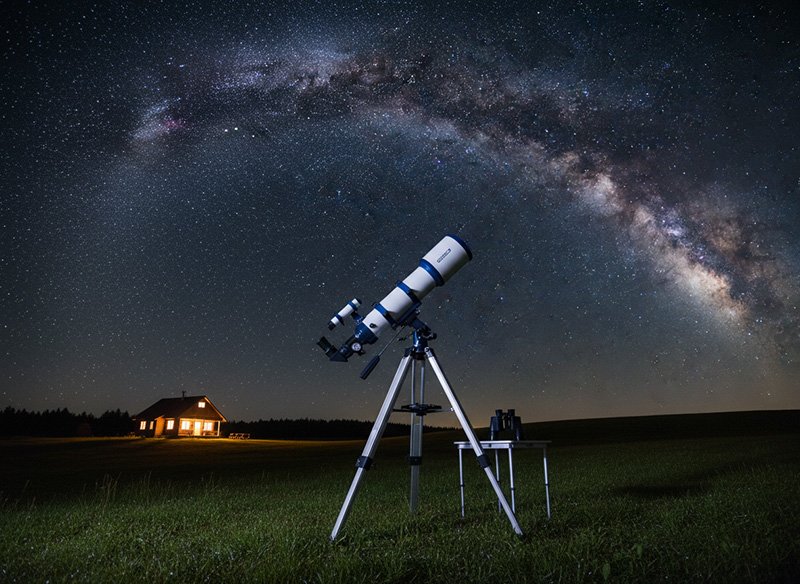
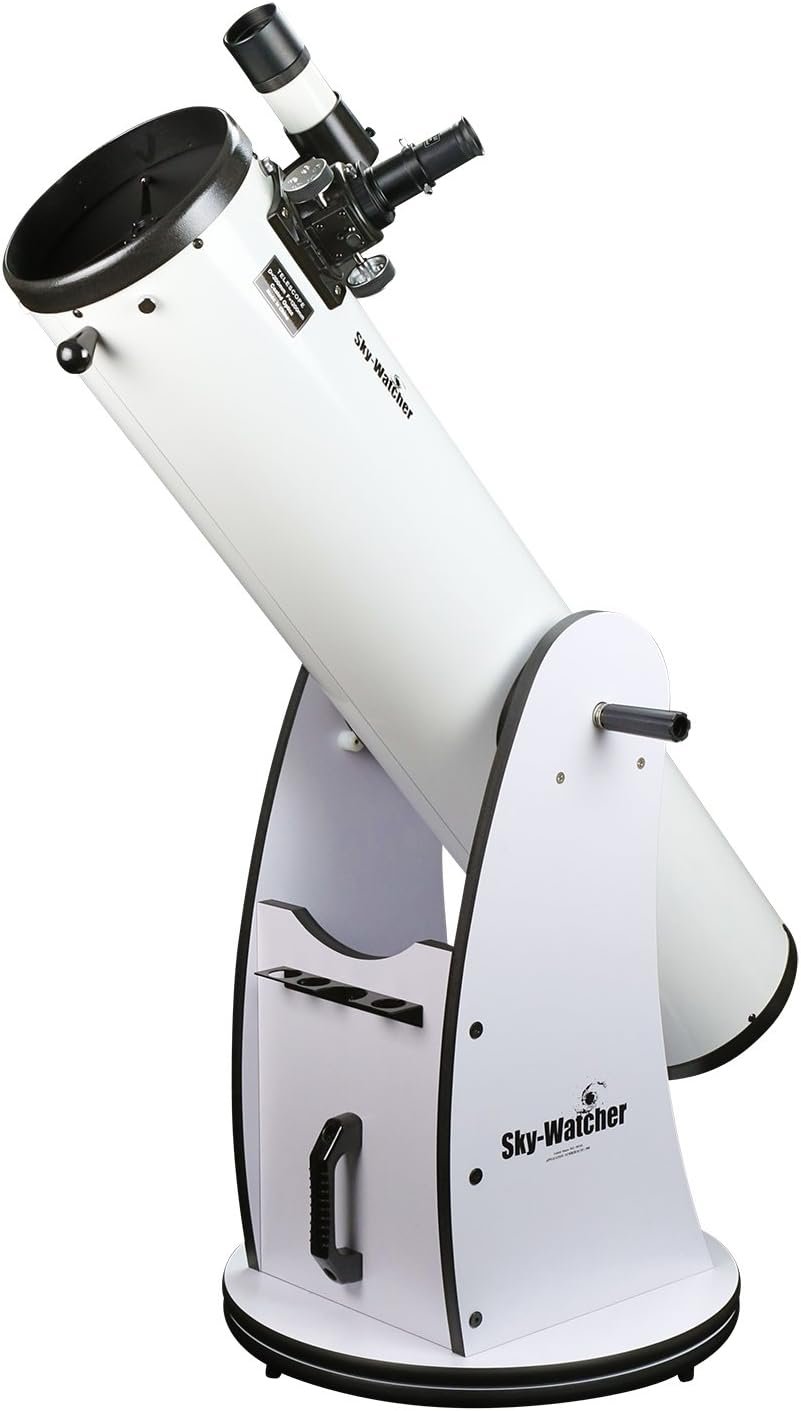
Q1: What is the best telescope for beginners? The best beginner telescope depends on your budget and interests. Refractor telescopes are low-maintenance and great for planets and the moon. Reflector telescopes offer larger apertures for the price, making them ideal for deep-sky objects. For complete beginners, a 70-90mm refractor or 4.5-6 inch reflector on a stable mount is recommended.
Q2: Is higher magnification always better for telescopes? No. Higher magnification isn’t always better. Magnification depends on aperture size and atmospheric conditions. A good rule is 50x per inch of aperture as maximum useful magnification. Beyond this, images become dim and blurry. Quality optics at moderate magnification beat poor optics at high magnification.
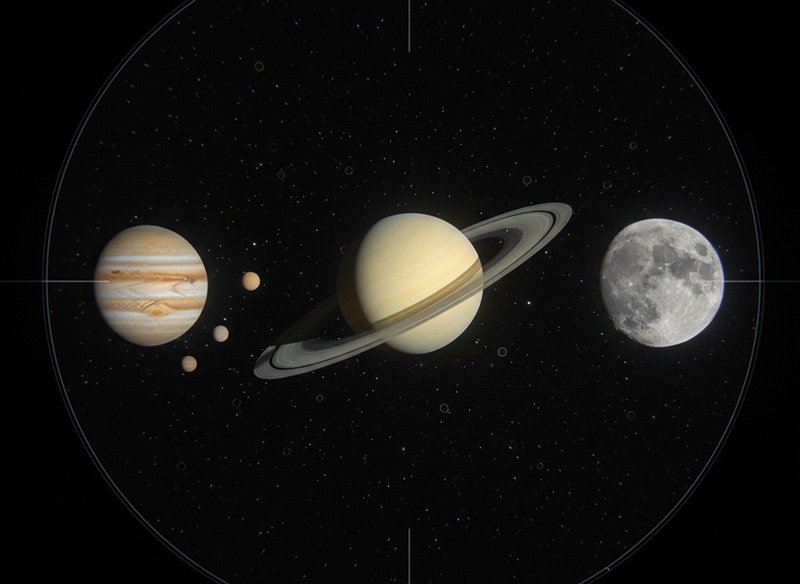
Q3: What can you actually see through a telescope? You can see the moon’s craters, Saturn’s rings, Jupiter’s moons, Mars’ polar caps, Venus’ phases, star clusters, nebulae, and galaxies. Expectations should be realistic—deep-sky objects appear as faint gray clouds, not the colorful images from space telescopes. Planets show surprising detail even in small telescopes.
Q4: Can you use a telescope in the city? Yes, but light pollution limits what you can see. The moon, planets, and bright stars remain visible. Use light pollution filters to enhance contrast. For best results, observe from darker locations outside the city or focus on lunar and planetary observation in urban areas.
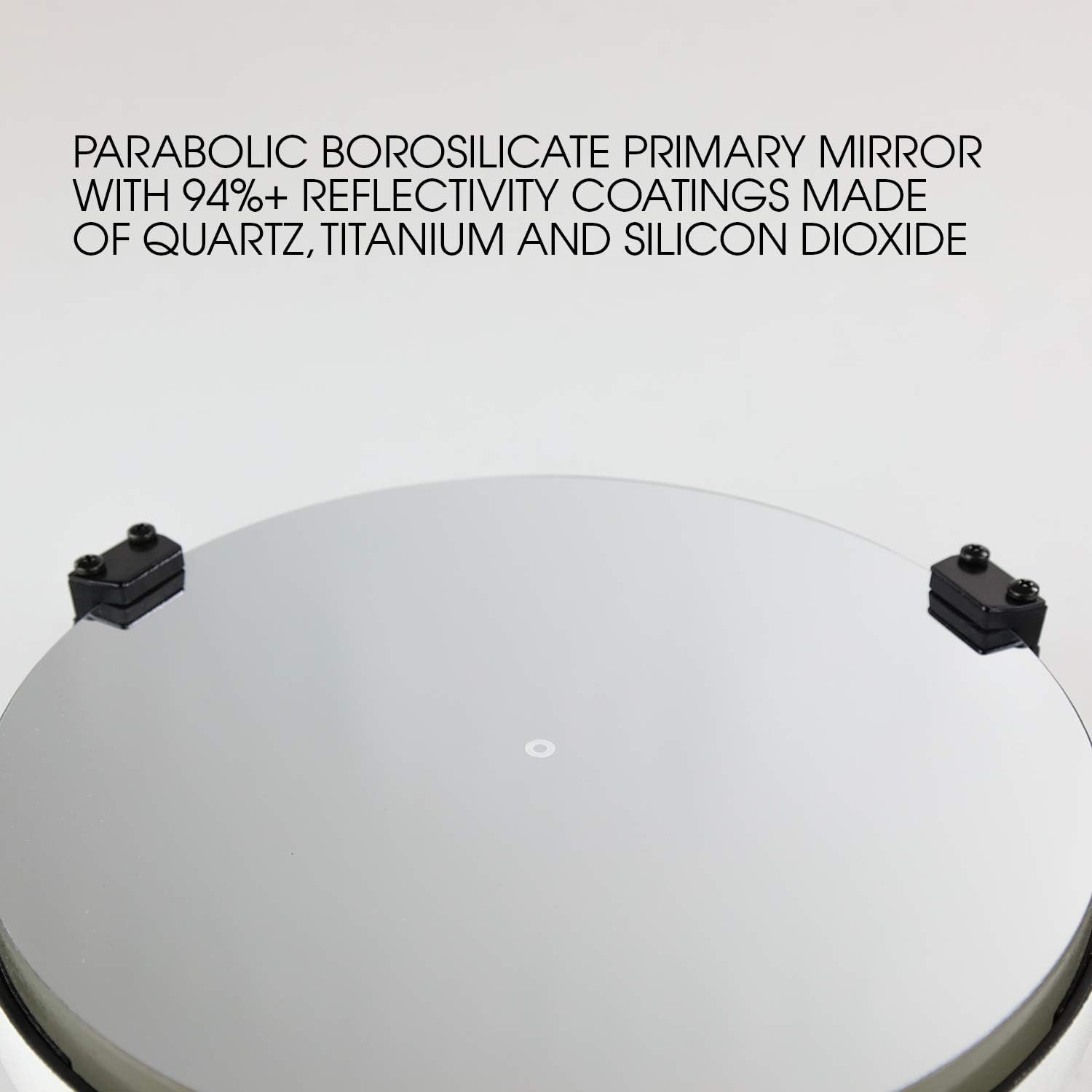
Q5: What is telescope aperture and why does it matter? Aperture is the diameter of the main lens or mirror. Larger aperture collects more light, revealing fainter objects and finer details. Aperture is the most important specification—it determines how much you can see. A 6-inch telescope collects 4 times more light than a 3-inch.
Q6: Should I buy binoculars or a telescope first? Binoculars are excellent for beginners. They’re portable, easy to use, require no setup, and provide wide fields of view perfect for star clusters and the Milky Way. 7×50 or 10×50 binoculars are ideal starting points. Upgrade to a telescope once you’ve learned the night sky.
Q7: Why is the telescope mount important? A stable mount is crucial for steady viewing. Alt-azimuth mounts are simple and intuitive for beginners. Equatorial mounts track celestial motion with one axis, ideal for astrophotography. A shaky mount ruins even the best optics. Invest in a solid mount—it’s as important as the telescope itself.
Q8: Can you take smartphone photos through a telescope? Yes, using a smartphone adapter that holds your phone to the eyepiece. This method works well for the moon and bright planets. Keep the phone camera steady, use manual focus if available, and experiment with exposure settings. It’s an affordable way to start astrophotography.
Q9: How do you clean telescope lenses? Clean only when necessary. Use compressed air to remove dust. For smudges, use lens cleaning solution and optical-grade tissue in gentle circular motions. Never use household cleaners or rough materials. Improper cleaning causes more damage than a little dust.
Q10: What should you do when first setting up a telescope? Start during daytime to familiarize yourself with the equipment. Align the finder scope by pointing at a distant object. Practice focusing on terrestrial targets. At night, begin with the moon—it’s bright and easy to find. Learn one constellation at a time before attempting deep-sky objects.
2. Observable Celestial Objects and Phenomena
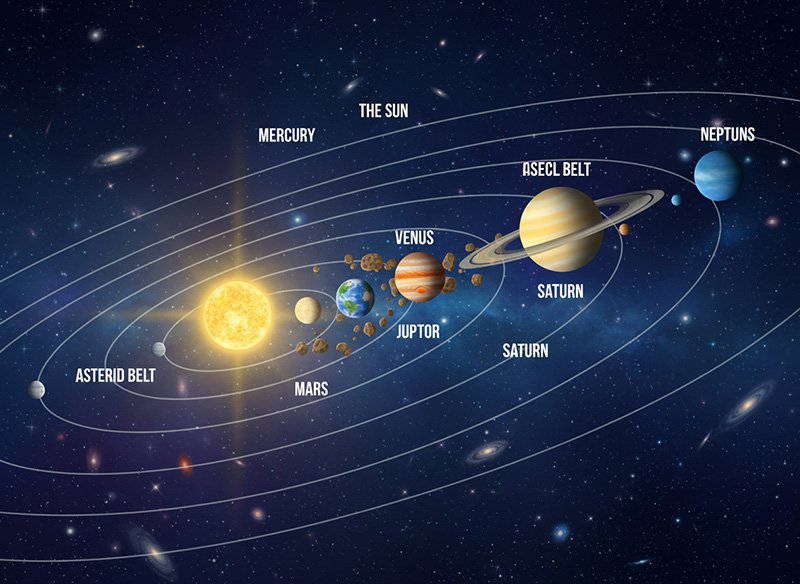
Q11: Which planets can you see without a telescope? Mercury, Venus, Mars, Jupiter, and Saturn are visible to the naked eye. Venus is the brightest, often called the “evening star” or “morning star.” Jupiter appears as a bright steady light. Mars has a distinctive reddish color. Saturn looks yellowish. Mercury is challenging due to its proximity to the sun.
Q12: Can you really see Saturn’s rings? Yes! Even a small 60mm telescope at 25x magnification shows Saturn’s rings. A 4-inch telescope reveals the Cassini Division (the gap in the rings). Larger telescopes show cloud bands and multiple moons. Saturn is best viewed when at opposition, appearing largest and brightest.
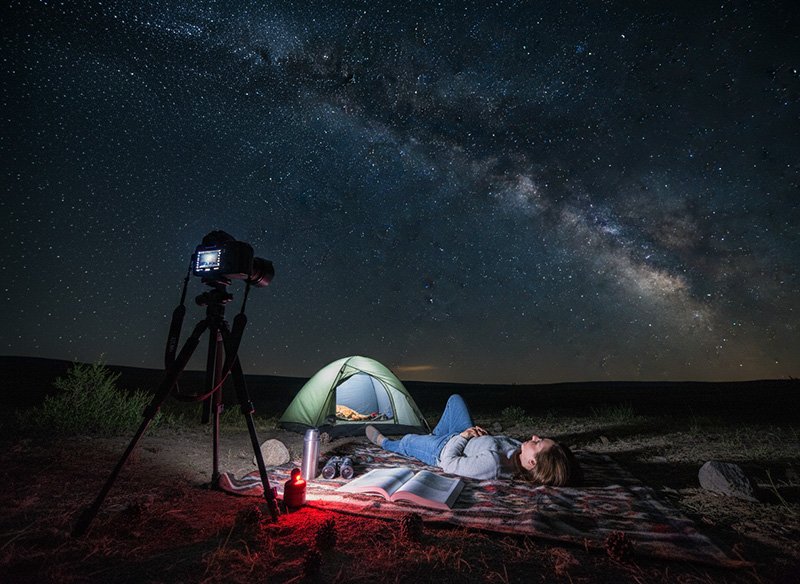
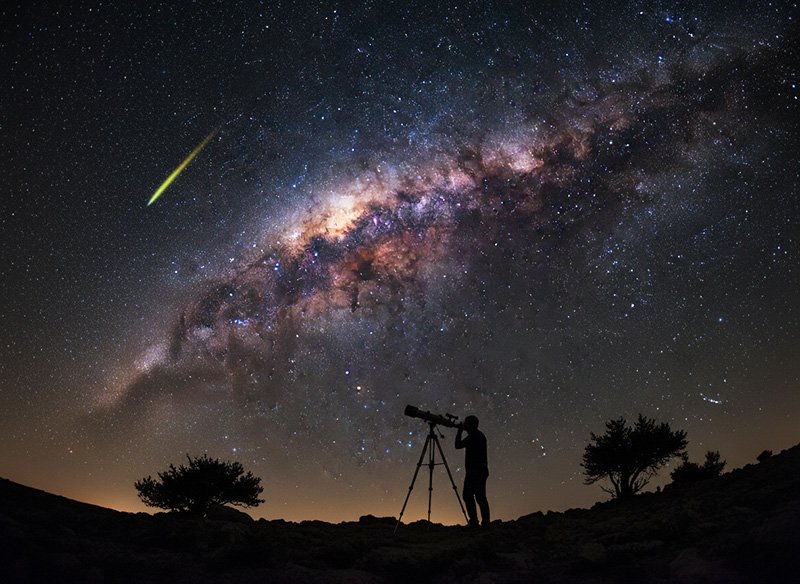
Q13: When and where can you see the Milky Way? The Milky Way is visible from dark locations away from light pollution. In the Northern Hemisphere, summer offers the best views of the galactic core. Look south after sunset from June to August. Winter shows different sections. You need truly dark skies—a dark sky map helps find suitable locations.
Q14: When can you see meteor showers? Major annual meteor showers include Perseids (August 11-13), Geminids (December 13-14), Quadrantids (January 3-4), and Lyrids (April 21-22). Best viewing is after midnight from dark locations. No equipment needed—meteor showers are best seen with naked eyes, lying back to see the whole sky.
Q15: Can you see the International Space Station? Yes! The ISS is the third-brightest object in the sky. It appears as a bright, fast-moving light crossing the sky in minutes. Use websites like Spot The Station or apps like ISS Detector to find viewing times for your location. It’s visible shortly after sunset or before sunrise.
Q16: Where can you see the aurora? Aurora borealis (northern lights) appears in high-latitude regions like Alaska, Canada, Iceland, Norway, and Scotland. Aurora australis (southern lights) is visible from Antarctica, southern Australia, and New Zealand. Solar activity predictions help plan viewing. Strong geomagnetic storms can push auroras to lower latitudes.
Q17: What’s the difference between a solar and lunar eclipse? A solar eclipse occurs when the moon blocks the sun, casting a shadow on Earth. A lunar eclipse happens when Earth blocks sunlight from reaching the moon. Solar eclipses require eye protection. Lunar eclipses are safe to watch and visible from anywhere on Earth’s night side.
Q18: What’s the difference between a meteor and a comet? Meteors are small particles burning up in Earth’s atmosphere, creating brief streaks of light. Comets are icy bodies orbiting the sun, developing tails when heated. Meteors last seconds; comets remain visible for weeks or months. Comets move slowly against background stars; meteors flash quickly.
Q19: Can you see the Andromeda Galaxy? Yes! Andromeda (M31) is visible to the naked eye from dark locations as a faint smudge. Binoculars reveal its oval shape. Telescopes show more detail but can’t fit the entire galaxy in view—it’s huge! Located in the constellation Andromeda, it’s best viewed in autumn from the Northern Hemisphere.
Q20: Why is Mars red? Mars appears red due to iron oxide (rust) covering its surface. Ancient volcanic activity and water oxidized iron-rich minerals. Through telescopes, Mars shows a distinct orange-red color with darker regions and polar ice caps. During dust storms, surface features become obscured.
3. Basic Astronomy Concepts
Q21: What is a light-year? A light-year is the distance light travels in one year—about 5.88 trillion miles or 9.46 trillion kilometers. It’s a unit of distance, not time. The nearest star (Proxima Centauri) is 4.24 light-years away. When we see distant objects, we see them as they were in the past.
Q22: Why do stars twinkle? Stars twinkle due to Earth’s turbulent atmosphere bending and distorting starlight. Air pockets of different temperatures and densities act like moving lenses. Planets don’t twinkle as much because they appear as small disks rather than points. From space, stars don’t twinkle at all.
Q23: How do you find constellations? Start with easy patterns like the Big Dipper, which points to Polaris (North Star). Learn seasonal constellations—Orion in winter, Leo in spring, Scorpius in summer, Pegasus in autumn. Use constellation apps like Stellarium or SkySafari. Learn a few each season rather than trying to memorize everything at once.
Q24: Why doesn’t the North Star move? Polaris (the North Star) appears stationary because it’s nearly aligned with Earth’s rotational axis. As Earth spins, the sky appears to rotate around Polaris. It’s not the brightest star, but it’s useful for navigation. Find it by following the pointer stars of the Big Dipper.
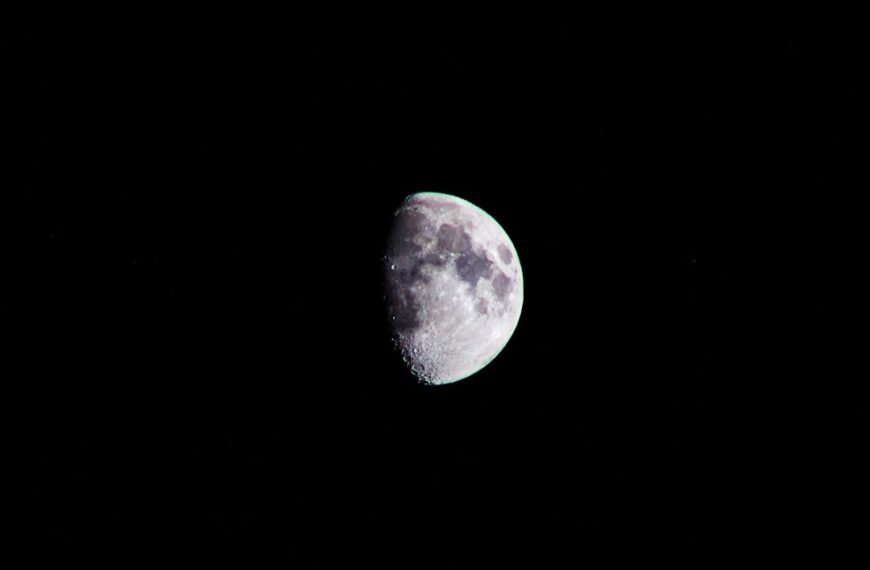
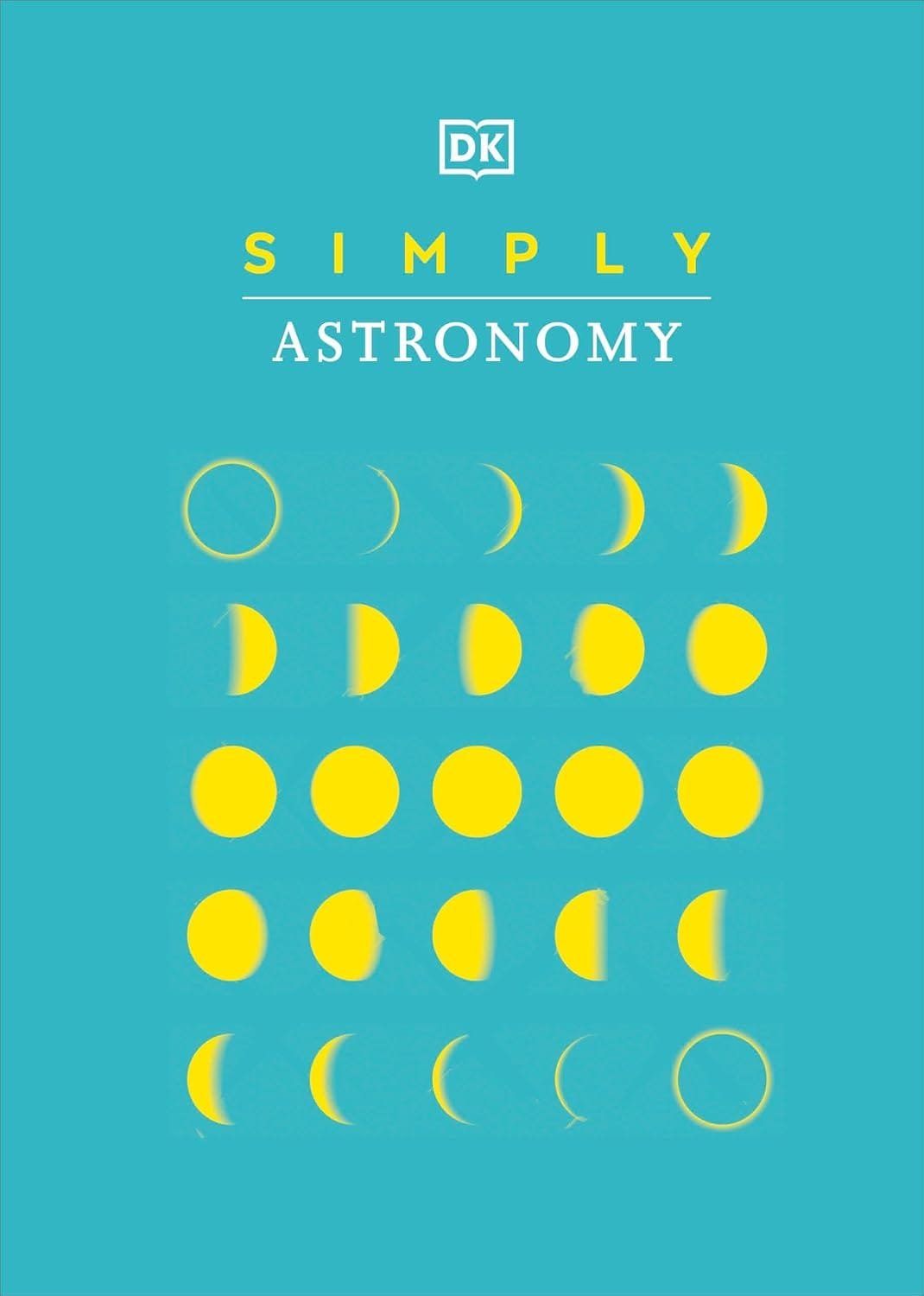
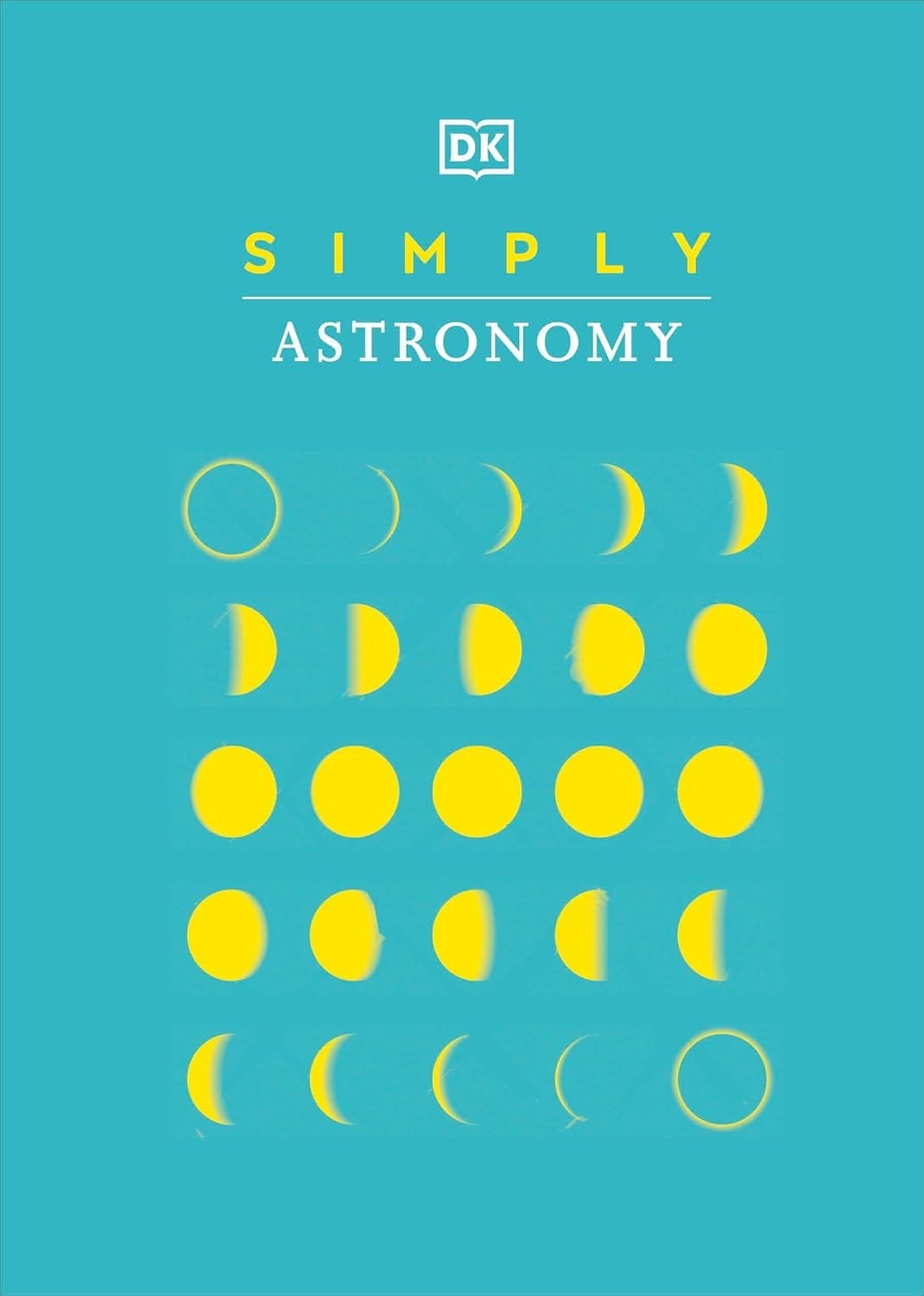
Q25: Why do moon phases change? Moon phases result from the moon’s orbit around Earth. We see different amounts of the sunlit side depending on the moon’s position. New moon occurs when the moon is between Earth and the sun. Full moon happens when Earth is between the sun and moon. The cycle takes 29.5 days.
Q26: What is a black hole? A black hole is a region where gravity is so strong that nothing, not even light, can escape. They form when massive stars collapse. The boundary is called the event horizon. We detect black holes by their effects on nearby matter and light. Supermassive black holes exist at galaxy centers.
Q27: What is the Big Bang Theory? The Big Bang Theory describes the universe’s origin from an extremely hot, dense state about 13.8 billion years ago. Space itself has been expanding ever since. Evidence includes cosmic microwave background radiation, the abundance of light elements, and galaxy redshifts showing universal expansion.
Q28: What is redshift? Redshift occurs when light from an object moving away stretches to longer (redder) wavelengths—similar to the Doppler effect with sound. Distant galaxies show redshift because the universe is expanding. The greater the redshift, the faster the recession and the more distant the object.
Q29: What’s the difference between stars and planets? Stars generate energy through nuclear fusion, producing their own light. Planets orbit stars and shine by reflected light. Stars twinkle; planets shine steadily. Stars are massive balls of hot gas. Planets are smaller, cooler bodies made of rock, gas, or ice.
Q30: What is a nebula? A nebula is a cloud of gas and dust in space. Emission nebulae glow from ionized gas. Reflection nebulae reflect starlight. Dark nebulae block background light. Planetary nebulae are shells ejected by dying stars. Nebulae are stellar nurseries where new stars form.
4. Universe and Solar System
Q31: How big is the universe? The observable universe is about 93 billion light-years in diameter. This is the region from which light has had time to reach us. The entire universe may be infinite. It contains an estimated 2 trillion galaxies, each with billions of stars. The scale is incomprehensibly vast.
Q32: How many planets are in the solar system? Eight planets orbit the sun: Mercury, Venus, Earth, Mars, Jupiter, Saturn, Uranus, and Neptune. Pluto was reclassified as a dwarf planet in 2006 because it hasn’t cleared its orbital neighborhood. The solar system also contains dwarf planets, moons, asteroids, and comets.
Q33: What is Jupiter’s Great Red Spot? The Great Red Spot is a massive storm larger than Earth that has raged for at least 350 years. It’s an anticyclonic storm with winds up to 270 mph. The red color comes from complex chemical reactions. It’s shrinking over time but remains Jupiter’s most distinctive feature.
Q34: What’s the difference between asteroids and comets? Asteroids are rocky or metallic objects, mostly in the asteroid belt between Mars and Jupiter. Comets are icy bodies from the outer solar system that develop tails when approaching the sun. Asteroids are denser and darker. Comets are “dirty snowballs” that become spectacular when heated.
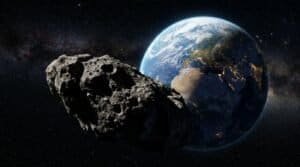
Q35: Could an asteroid hit Earth? Yes, but large impacts are rare. NASA tracks near-Earth objects that could pose threats. Small asteroids burn up in the atmosphere regularly. The last major impact was 66 million years ago, causing dinosaur extinction. Current detection and potential deflection technologies are improving.
Q36: Is there life on Mars? No confirmed life has been found. However, Mars once had liquid water and potentially habitable conditions. Current missions search for biosignatures and past microbial life. Subsurface water ice exists. Future sample return missions may provide definitive answers about past or present life.
Q37: When will the sun die? The sun is about 4.6 billion years old and halfway through its life. In about 5 billion years, it will expand into a red giant, engulfing Mercury, Venus, and possibly Earth. Eventually, it will shed its outer layers, forming a planetary nebula, leaving behind a white dwarf.
Q38: How are exoplanets discovered? Exoplanets are detected through several methods. The transit method measures dimming when a planet crosses its star. Radial velocity detects stellar wobble caused by orbiting planets. Direct imaging captures photos of planets. Gravitational microlensing uses gravity as a lens. Over 5,000 exoplanets have been confirmed.
Q39: Is there other life in the universe? Unknown, but statistically probable. The Drake Equation estimates intelligent civilizations. With billions of galaxies and potentially habitable exoplanets, life elsewhere seems likely. SETI searches for signals. No confirmed detection yet. The Fermi Paradox asks why we haven’t found evidence if life is common.
Q40: How was the moon formed? The leading theory is the Giant Impact Hypothesis. About 4.5 billion years ago, a Mars-sized object collided with early Earth. Debris from the impact coalesced to form the moon. This explains the moon’s composition, orbit, and Earth’s tilted axis.
5. Astrophotography Basics
 space.” class=”wp-image-23183″/>
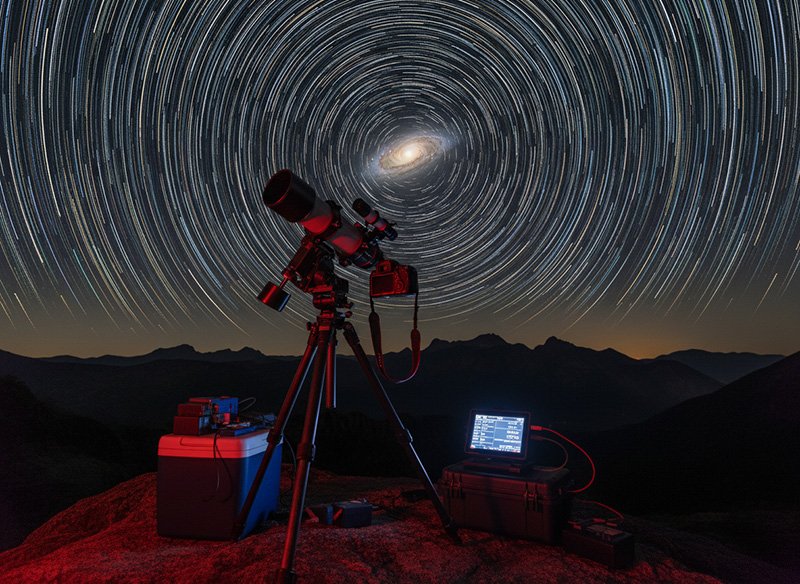
Q41: What equipment do you need for astrophotography? Basic setup: DSLR or mirrorless camera, sturdy tripod, wide-angle lens (14-24mm), and remote shutter release. For deep-sky: tracking mount, telescope, autoguider. Start simple with landscape astrophotography before investing in expensive equipment. Dark skies matter more than expensive gear initially.
Q42: How do you photograph star trails? Use manual mode with wide aperture (f/2.8-f/4), ISO 800-1600, and 15-30 second exposures. Take multiple shots over 30+ minutes, then stack them using software like StarStaX. Alternatively, use bulb mode for single long exposures (30+ minutes), but this increases noise.
Q43: How do you take sharp moon photos? Use a telephoto lens (200mm+) or telescope. Settings: ISO 100-400, f/8-f/11, shutter speed 1/125-1/250. The moon is bright—underexpose slightly. Use manual focus. Shoot in RAW. Stack multiple images to reduce atmospheric distortion. Best results come 2-3 days before or after full moon.
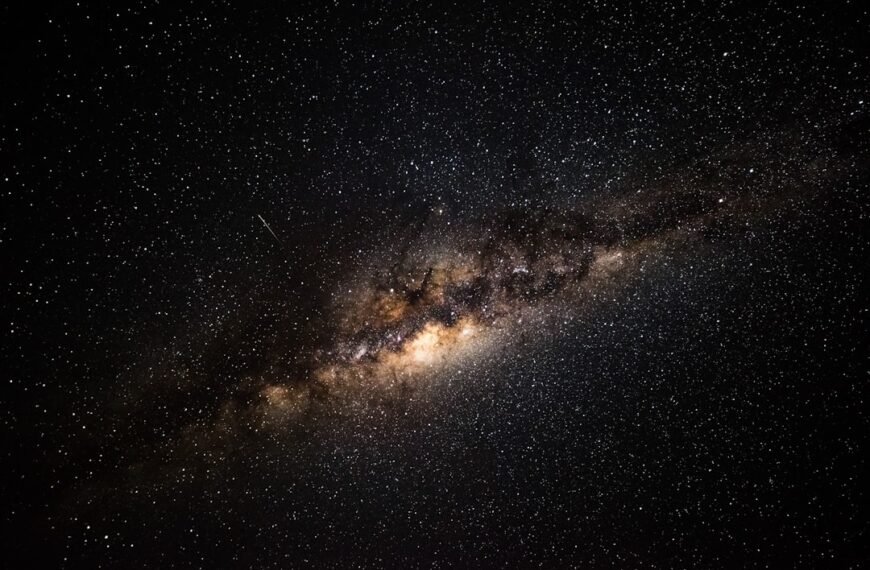
Q44: What are the best settings for Milky Way photography? Wide-angle lens (14-24mm), widest aperture (f/1.4-f/2.8), ISO 3200-6400, shutter speed 15-25 seconds (use the 500 rule: 500/focal length). Manual focus on a bright star. Shoot RAW. Use dark sky locations. Best months: March-October in Northern Hemisphere.
Q45: How do you photograph planets? Use a telescope with a planetary camera or modified webcam. Capture high-frame-rate video (1-2 minutes). Stack thousands of frames using software like AutoStakkert to overcome atmospheric turbulence. Sharpen with Registax or similar. Best results during good seeing conditions.
Q46: How do you reduce noise in astrophotos? Use lower ISO when possible. Take dark frames (same settings with lens cap on) to subtract sensor noise. Take flat frames to correct vignetting. Shoot multiple light frames and stack them—stacking reduces random noise. Use noise reduction in post-processing sparingly.
Q47: Why are my star photos blurry? Earth’s rotation causes stars to trail during long exposures. Use the 500 rule (500/focal length = max seconds) to prevent trails. For longer exposures, use a star tracker or equatorial mount. Also check focus—use live view at 10x magnification to focus precisely on a bright star.
Q48: How do you process astrophotos? Shoot in RAW format. Stack multiple exposures using DeepSkyStacker or Sequator. Adjust levels, curves, and color balance in Photoshop or GIMP. Stretch the histogram carefully to reveal faint details. Reduce noise. Enhance contrast. Don’t over-process—maintain natural appearance.
Q49: Can you do astrophotography from the city? Yes, with limitations. The moon and planets work well from cities. For deep-sky, use light pollution filters (UHC or narrowband). Focus on bright targets like Orion Nebula. Shoot in RAW and process to remove light pollution gradients. Better results come from darker locations.
Q50: What are common astrophotography mistakes? Poor focus is most common—always use live view to focus precisely. Incorrect exposure settings cause blown-out or too-dark images. Not using RAW format limits processing options. Forgetting to turn off image stabilization on tripods. Not taking calibration frames. Expecting perfect results immediately—astrophotography requires practice.