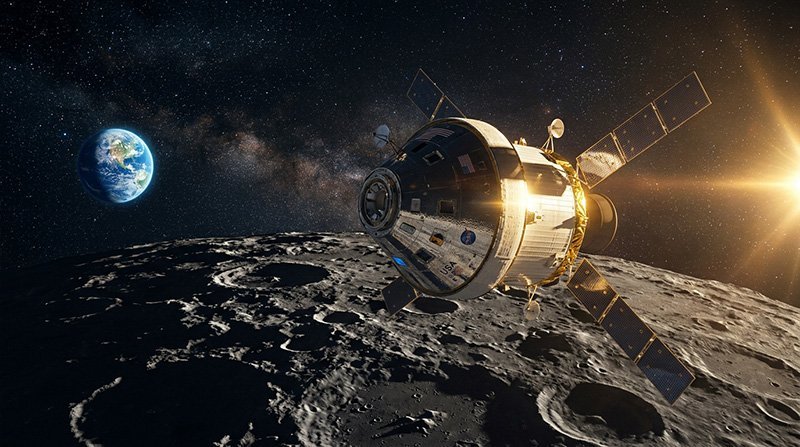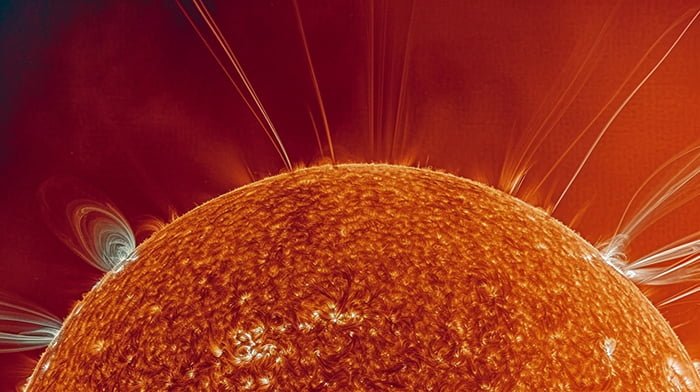


| Direct Answer: In April 2026, space activity is at one of its highest points in history. SpaceX continues to launch Starlink satellites on a near-weekly basis using reusable Falcon 9 rockets. At the same time, NASA’s Europa Clipper mission is progressing toward Jupiter, and the James Webb Space Telescope is revealing that the early universe evolved faster than scientists previously believed. |
Key Takeaways
- SpaceX is the world’s most active launch provider, routinely landing and reusing Falcon 9 boosters.
- The Starlink constellation now consists of thousands of satellites delivering broadband to remote regions.
- NASA’s Europa Clipper spacecraft is on track and will study a moon of Jupiter believed to harbor a liquid ocean.
- The James Webb Space Telescope has found that some early galaxies formed and evolved faster than any previous model predicted.
- Smaller launch companies like Rocket Lab are gaining ground, proving that the commercial space sector extends well beyond SpaceX.
Why Is SpaceX Still Dominating Global Launch Activity?
SpaceX has built its lead through one key innovation: rocket reusability. Instead of discarding the first-stage booster after every flight, the company lands it on a drone ship in the ocean and refurbishes it for another mission.
This reduces the cost per launch dramatically and compresses the time between flights. In April 2026, a Falcon 9 booster landed successfully in the Atlantic Ocean after another Starlink batch deployment — a routine event that would have seemed extraordinary just a decade ago.
No other company currently matches this launch frequency at this cost level, which is why SpaceX remains the anchor of the global commercial launch market.
How Big Is the Starlink Satellite Network Today?
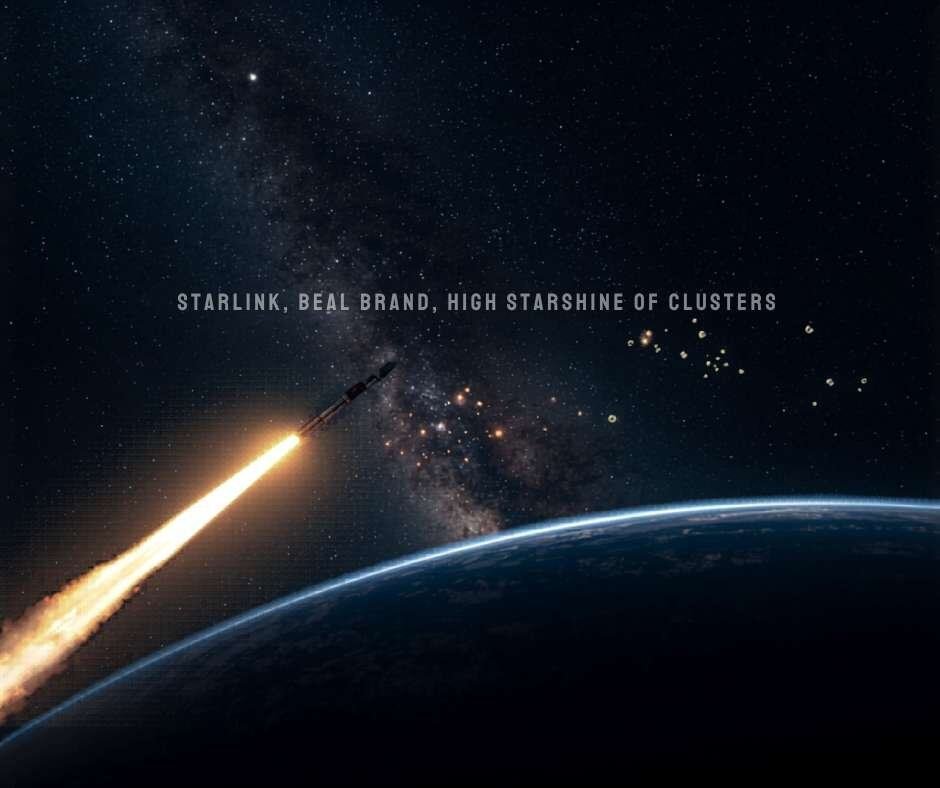
Starlink now operates thousands of satellites in low Earth orbit (LEO). LEO means the satellites fly at altitudes of roughly 340 to 550 kilometers above Earth, much closer than traditional communications satellites.
This proximity reduces signal delay — known as latency — which makes the service usable for real-time applications like video calls and online gaming. Coverage is improving steadily as new satellites are added, especially in remote and underserved regions where no fiber or cable infrastructure exists.
Other companies and government agencies are also deploying their own satellite networks, which is making LEO one of the most crowded and competitive environments in the history of spaceflight.
What Is the Europa Clipper Mission and Why Does It Matter?
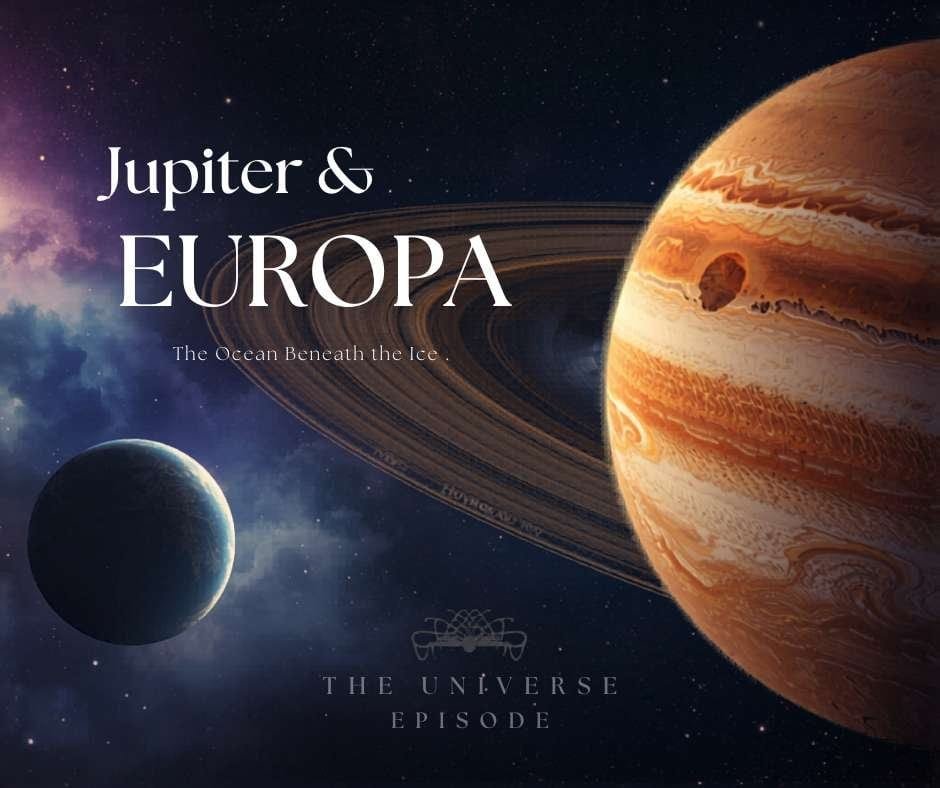
Europa Clipper is a NASA spacecraft designed to study Europa, one of Jupiter’s moons. Scientists believe Europa has a liquid ocean beneath its icy surface — making it one of the most promising places in our solar system to search for conditions that could support life.
The mission is not a lander. Europa Clipper will fly past the moon dozens of times, collecting data with its suite of science instruments. Engineers recently completed key instrument tests, confirming the spacecraft is on track.
If the ocean beneath Europa’s ice is confirmed, it would fundamentally change how we think about where life might exist beyond Earth.
What Has the James Webb Space Telescope Discovered Recently?
The James Webb Space Telescope (JWST) launched in late 2021 and has been rewriting textbooks ever since. Its infrared sensors can peer through cosmic dust and detect light from the earliest galaxies in the universe.
Recent JWST observations have found that some galaxies formed earlier and grew faster than any existing model predicted. This challenges the standard timeline of cosmic evolution and is prompting scientists to revisit long-held theories about how structure forms after the Big Bang.
The telescope continues to operate well beyond its minimum mission requirements, and new data is being released on a regular basis.
Are Smaller Rocket Companies Keeping Up With SpaceX?
Rocket Lab is the clearest example of a smaller launch provider that has found a sustainable niche. The company focuses on dedicated launches for small satellites — payloads that do not need to share a rocket with others and have specific orbital requirements.
In recent missions, Rocket Lab successfully deployed satellites for commercial clients, demonstrating that the market for small launch services is real and growing. Earth observation, communications, and scientific research are all driving demand.
The broader point is that commercial space is no longer a one-company story. A diverse ecosystem of launch providers is emerging, which increases resilience and competition across the industry.
My Experience Tracking These Missions
I have been following space news and covering it for The Universe Episodes since the early days of the commercial launch era. One pattern stands out clearly: the pace of announcements has accelerated every year.
What used to feel like milestone events — a rocket landing, a new telescope image, a mission milestone — now arrive so frequently that it takes discipline to keep up. The Europa Clipper mission is a personal favorite to watch because the science question it is trying to answer — is there life elsewhere in our solar system? — is one of the most profound questions humans have ever asked.
The James Webb images have also changed how I talk about the early universe on this channel. Data that would have taken a career to gather a generation ago is now arriving in months.
FAQs
What is SpaceX launching in April 2026?
SpaceX is primarily launching Starlink satellites using its Falcon 9 rocket. Each mission adds more units to the growing broadband constellation in low Earth orbit, with the first-stage booster landing and being reused after every flight.
How many Starlink satellites are in orbit right now?
As of April 2026, Starlink operates thousands of satellites in low Earth orbit. The exact number increases with each launch. SpaceX has not published a precise real-time figure, but the network is large enough to provide coverage across most of the globe.
When will Europa Clipper reach Jupiter?
Europa Clipper launched in October 2024 and is expected to arrive at Jupiter in 2030. The spacecraft will then conduct multiple flybys of Europa to study its icy surface and the ocean believed to exist beneath it.
What has James Webb found that surprised scientists?
JWST has observed galaxies that appear to have formed much earlier in the universe's history than models predicted, and some of them grew surprisingly large in a short period. This is pushing scientists to reconsider standard theories of how galaxies form and evolve after the Big Bang.
Is commercial spaceflight only about SpaceX?
No. While SpaceX is the most active and well-known player, companies like Rocket Lab, Blue Origin, and others are active participants. National space agencies from Europe, India, China, Japan, and others also continue to operate independently. The sector is growing broader every year.
Sources
- NASA — europa.nasa.gov, jwst.nasa.gov
- SpaceX — spacex.com
- Reuters — reuters.com
- The Washington Post — washingtonpost.com
About the Author
| The Universe Episodes Team The Universe Episodes is a space and astronomy blog and YouTube channel dedicated to making the science of the cosmos accessible to everyone. The team tracks commercial spaceflight, NASA missions, and telescope discoveries on a daily basis. Website: theuniverseepisodes.com |