

You Can Start Stargazing Tonight
Stargazing doesn’t require expensive gear or deep knowledge. If you can step outside and look up, you can begin learning the sky tonight. The fastest way to feel comfortable is to follow a simple routine: find one obvious target, learn one pattern, and finish with one star you’ll remember.
Set Simple Expectations
With just your eyes, you can see more than most people realize. The Moon changes shape night by night. Bright planets stand out because they shine steadily instead of twinkling. Star patterns repeat every season, slowly shifting but always returning. If you’re under darker skies, you might even notice the Milky Way as a faint, cloudy band. You don’t need perfect clarity or names memorized—just time and patience.
Pick the Right Moment
A great beginner window is about 30 to 60 minutes after sunset. By then, the sky is dark enough for stars, but you’re not pushing yourself to stay up late. Step away from direct lights if you can. Even moving behind a building, tree, or into a darker corner of a yard can improve what you see more than you expect.
Keep Tools Minimal
A free sky-map app can help you confirm what you’re looking at, but don’t let it take over. Dim the screen, let your eyes adjust, and spend more time looking up than down. Your goal is to build familiarity, not to label everything at once.
A Simple 30‑Minute Starter Routine
1. Observe the Moon (5 minutes)
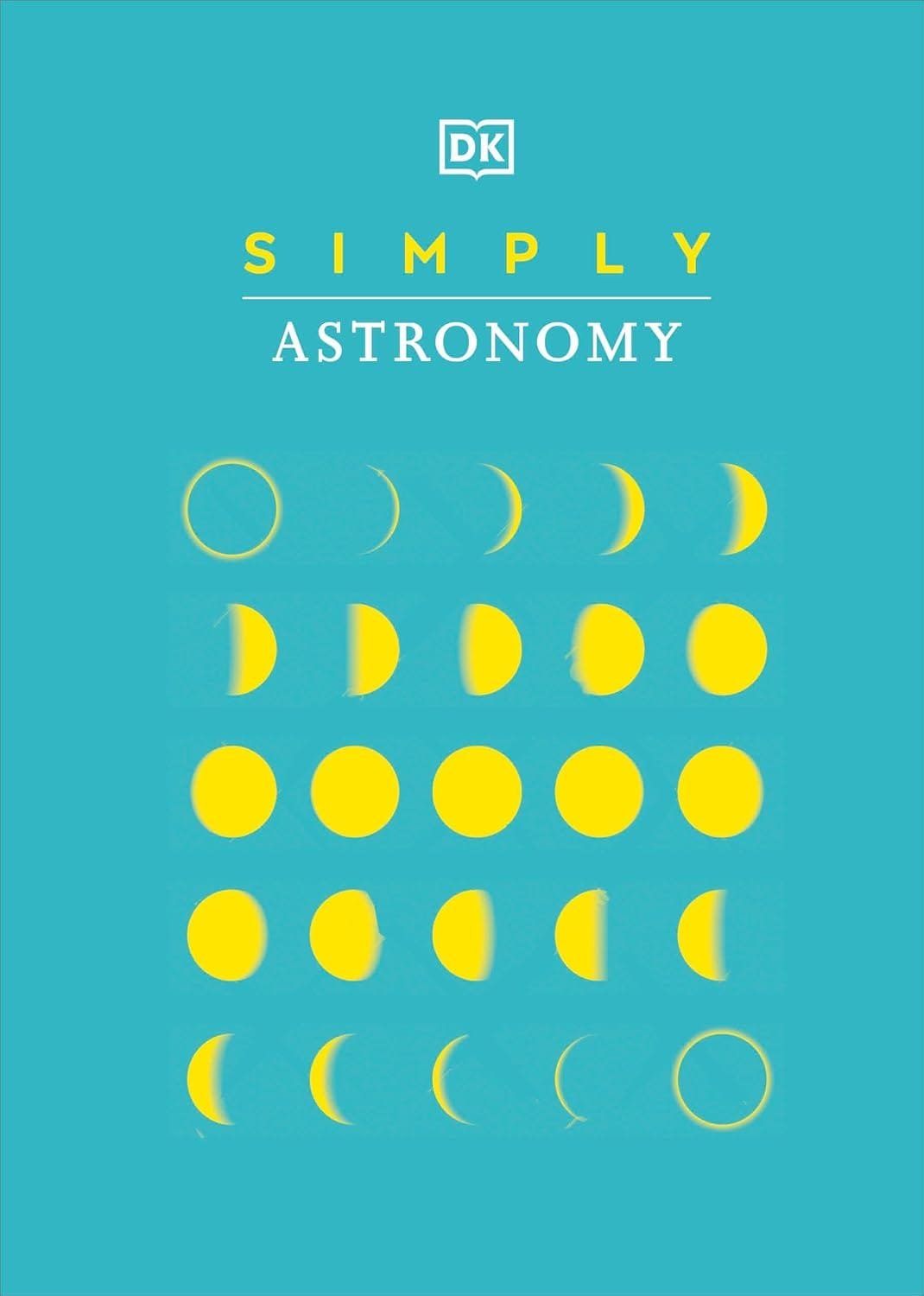
If the Moon is visible, begin there. Look at where light meets shadow along its edge. That boundary is where craters and surface detail stand out most.
2. Find One Bright Planet (5 minutes)
Next, search for a bright, steady light. Planets usually twinkle less than stars and often follow the same general path across the sky. You don’t need to know its name yet—just notice how it looks compared to nearby stars.
3. Learn One Constellation (10 minutes)
Choose a single constellation near the Moon or planet and learn its basic shape. Don’t rush. Skip everything else. One pattern is enough for tonight.
4. Choose an Anchor Star (5 minutes)
Finally, pick one bright star you’re confident you can find again tomorrow. This is your anchor star. On future nights, it becomes your starting point for exploring the sky.
Going a Little Further
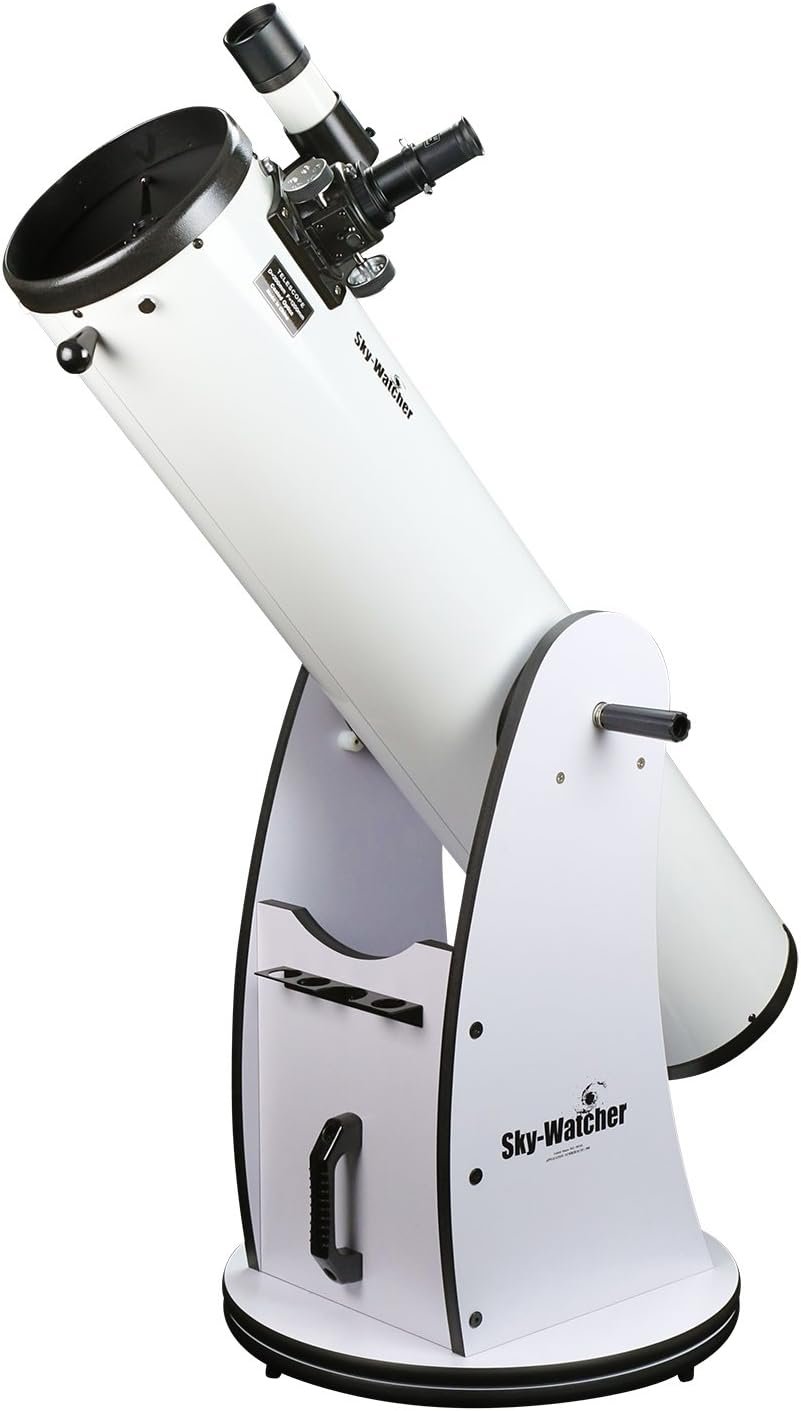
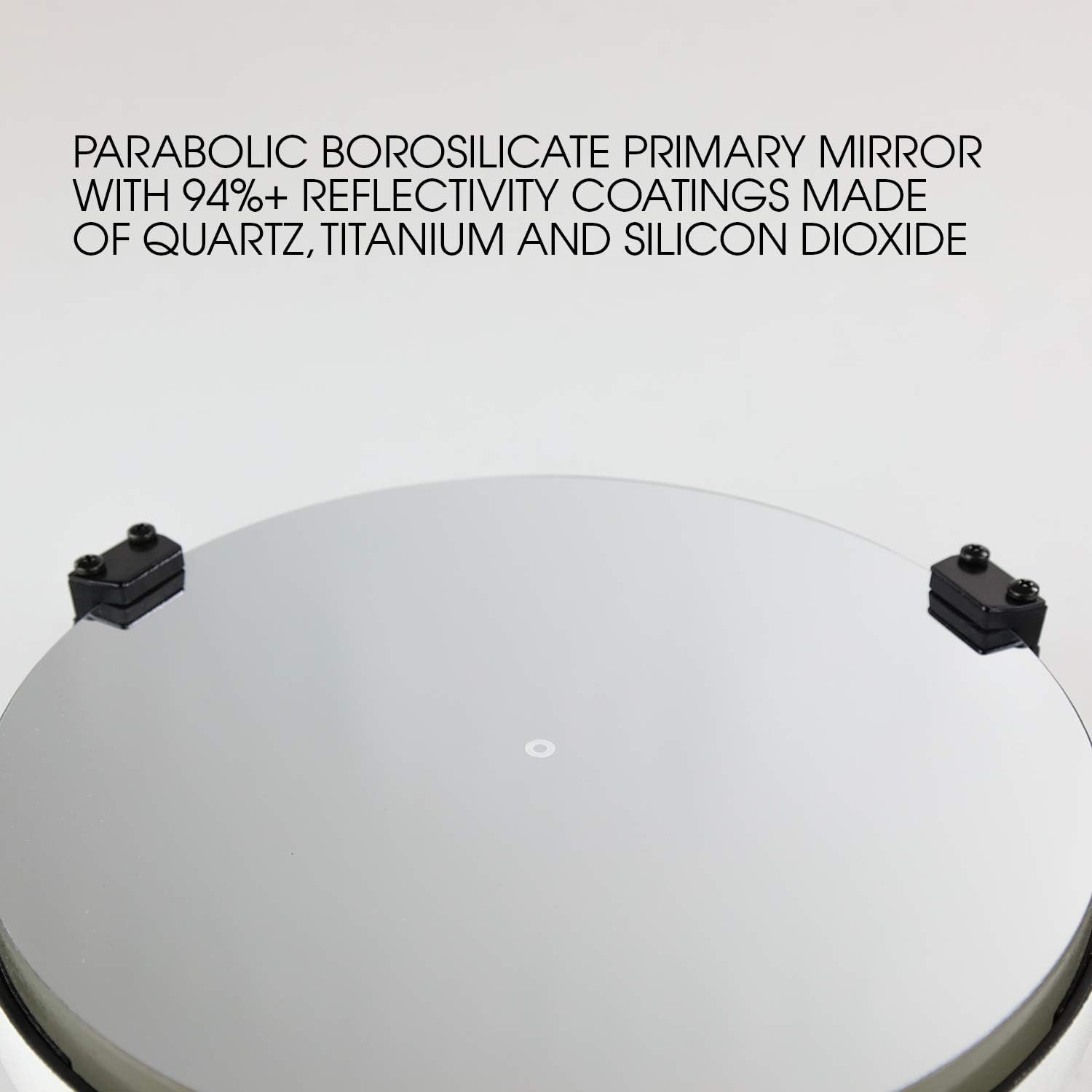
If you enjoy this routine, binoculars are an easy next step and reveal far more stars. A beginner telescope can make the Moon and planets feel truly real, as long as you focus on stable, clear views rather than extreme magnification.
Tonight, try the routine once and choose your first anchor star. That single point of light can turn a casual look upward into a habit that lasts.