

Finding Jupiter and Saturn: A Beginner-Friendly Guide
Jupiter and Saturn are two of the most rewarding planets for beginners to observe. Even through a small telescope, they look unmistakably like planets, not just points of light. What many people don’t realize is that learning how to find them—even without equipment—can quickly build confidence in sky watching.
The easiest way to start is by planning ahead. Choose a specific month and look up the best viewing window for that time. A sky-map app can help you identify the general direction and the constellation area where the planet appears. Once you know where to look, scan the sky for an unusually bright, steady point of light. Unlike stars, planets do not twinkle much.
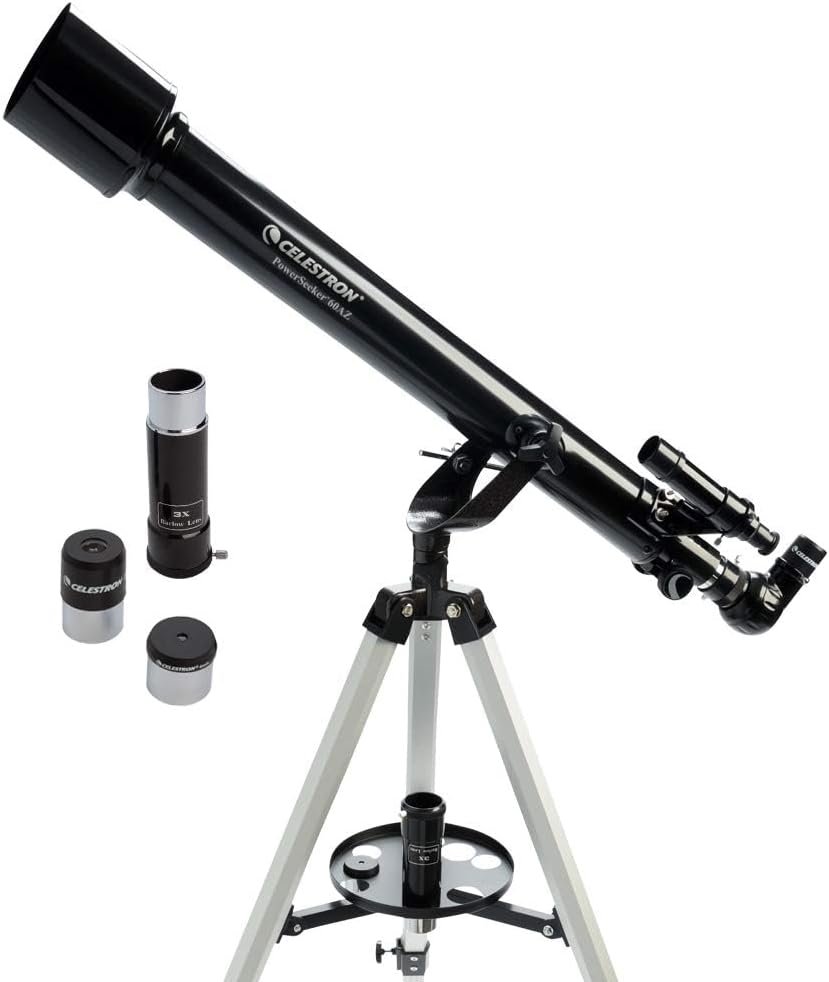
It’s important to set realistic expectations. With unaided eyes, both Jupiter and Saturn appear like very bright stars. Binoculars usually won’t reveal much detail, though under good conditions Jupiter’s largest moons may become visible. A beginner telescope makes a big difference. Jupiter’s moons are easier to spot, and Saturn’s rings appear as a clear, recognizable shape. The view is small, but it’s real—and that moment is often what makes people fall in love with astronomy.
To keep this post updated each month, add a short section near the top that includes the best viewing hours, the direction to face, and a one-sentence note on what beginners can expect to see. This makes the guide practical, timely, and simple to follow.