
Key Takeaways:
- The Perseids meteor shower 2026 peaks August 12-13 with 60-100 meteors per hour
- New moon creates perfect dark sky conditions—the best viewing in years
- No telescope needed—your naked eyes are the ideal viewing tool
- Warm summer nights make this the most accessible meteor shower of the year
- Originates from Comet Swift-Tuttle, one of the largest objects to regularly pass near Earth
- Peak viewing hours: midnight through dawn on August 12-13
What Makes the Perseids Meteor Shower 2026 Special?
The Perseids meteor shower stands as the most famous and beloved celestial event of the year. While other meteor showers may produce higher rates, none combine the Perseids’ reliability, warm weather accessibility, and spectacular fireballs quite like this August tradition.
2026 brings exceptional viewing conditions. The new moon on August 11 means zero lunar interference during peak activity. Dark skies from dusk until dawn create ideal conditions for spotting even the faintest meteors streaking across the summer sky.
The Perseids consistently deliver 60-100 meteors per hour at peak, with occasional outbursts pushing rates even higher. Their reputation for bright, colorful fireballs makes them a favorite among both casual observers and serious meteor watchers.
When Is the Perseids Meteor Shower 2026 Peak Time?
The Perseids meteor shower 2026 reaches maximum activity on August 12-13, with the peak occurring around 16:00 UTC on August 12. This timing favors observers across North America, Europe, and Asia.
Optimal viewing times by region:
North America (EST): August 12, 11:00 PM through August 13, 6:00 AM
North America (PST): August 12, 8:00 PM through August 13, 3:00 AM
Europe (CEST): August 13, 1:00 AM through 8:00 AM
Asia (JST): August 13, 1:00 AM through 8:00 AM
Unlike some meteor showers with narrow peaks, the Perseids maintain strong activity for several nights. You can observe good meteor rates from August 11-14, giving you multiple opportunities if weather doesn’t cooperate on peak night.
The shower remains active from July 17 through August 24, gradually building to peak and then declining. Plan your observation for the nights closest to August 12-13 for the best experience.
Where Does the Perseids Meteor Shower Come From?

The Perseids originate from Comet Swift-Tuttle, a massive comet discovered independently by Lewis Swift and Horace Tuttle in 1862. This comet measures approximately 26 kilometers across—nearly twice the size of the object that caused the dinosaur extinction.
Comet Swift-Tuttle orbits the Sun every 133 years, leaving a dense trail of debris in its wake. Each August, Earth passes through this debris stream. Particles ranging from sand grains to pebbles slam into our atmosphere at 59 kilometers per second, creating the brilliant streaks we call meteors.
This incredible speed makes Perseids particularly bright. The faster a particle enters the atmosphere, the more energy it releases as light and heat. Many Perseids leave persistent trains—glowing trails that linger for seconds after the meteor passes.
The shower’s name comes from the constellation Perseus, where the radiant point appears. Meteors seem to radiate outward from this point in the northeastern sky, though they actually appear throughout the entire sky.
How to See the Perseids Meteor Shower 2026: Complete Viewing Guide
Watching the Perseids meteor shower 2026 requires minimal preparation, but these steps maximize your meteor count and overall experience.
Escape light pollution. Urban and suburban lights dramatically reduce visible meteor counts. Drive to rural areas at least 30 miles from major cities. Use light pollution maps to identify the darkest locations within driving distance.
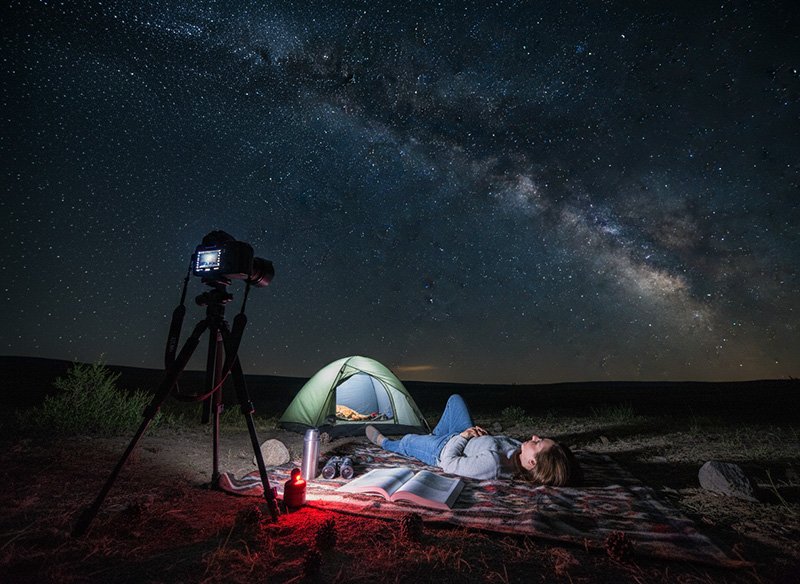
Face northeast but watch the entire sky. The radiant point rises in the northeast, but meteors appear everywhere. Lie flat on your back with a wide field of view rather than focusing on one spot.
Allow 30 minutes for dark adaptation. Your eyes need time to reach full sensitivity. Avoid all white lights during this period. If you need illumination, use dim red lights that preserve night vision.
Bring comfort items for extended viewing. A reclining lawn chair, blankets, or sleeping bag keeps you comfortable during hours of observation. Insect repellent, snacks, and beverages make the experience more enjoyable.
Be patient and persistent. Meteor activity fluctuates throughout the night. You might see nothing for ten minutes, then witness five meteors in rapid succession. Plan to observe for at least two hours to experience the full range of activity.
Check weather forecasts carefully. Clear skies are essential. Even thin clouds block most meteors. Monitor forecasts for several days before peak and be prepared to drive to clearer areas if necessary.
What Is the Perseids Radiant Point and Why Does It Matter?
The radiant point marks the spot in the sky where meteors appear to originate due to perspective. For the Perseids, this point lies in the constellation Perseus, which rises in the northeast around 10 PM in August and climbs higher through the night.
Understanding the radiant helps with timing. The radiant sits near the horizon at nightfall, meaning you’re looking through maximum atmosphere and seeing fewer meteors. As Perseus rises higher, you’re viewing the debris stream more directly, and meteor rates increase.
The hours between midnight and dawn produce the best counts. The radiant reaches its highest point, and you’re on the leading edge of Earth as it plows through the debris stream. This geometry significantly boosts meteor rates compared to evening hours.
Interestingly, you shouldn’t stare at the radiant. Meteors near the radiant have short trails and are harder to spot. The longest, most dramatic meteors appear 30-60 degrees away from the radiant. Lie back and scan the entire sky for the best experience.
Perseids vs Geminids vs Quadrantids: How Do They Compare?

The three major meteor showers each offer unique characteristics and challenges.
Perseids (August) produce 60-100 meteors per hour with exceptional reliability. Warm summer weather makes them accessible to casual observers. They originate from Comet Swift-Tuttle and are famous for bright fireballs. The multi-night peak gives you several chances to observe.
Geminids (December) rival the Perseids with 120 meteors per hour at peak. They come from asteroid 3200 Phaethon and occur during cold December nights. The Geminids produce more meteors but fewer dramatic fireballs than Perseids.
Quadrantids (January) can produce 120 meteors per hour but peak for only a few hours. They originate from asteroid 2003 EH1 and occur during harsh winter conditions. The narrow peak and cold weather make them challenging despite high rates.
The Perseids win for accessibility and overall experience. The combination of warm weather, reliable rates, spectacular fireballs, and multi-night peak makes them the best meteor shower for most observers.
Can You Photograph the Perseids Meteor Shower 2026?
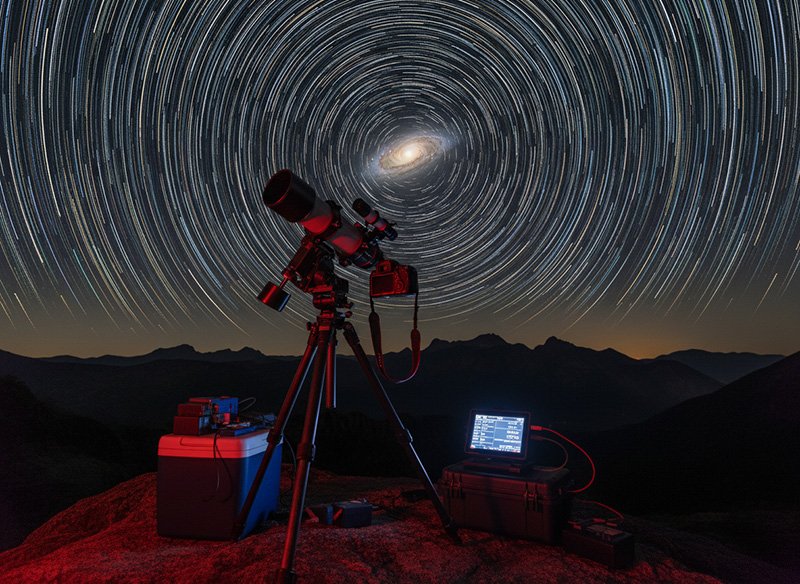
Absolutely, and the new moon in 2026 creates ideal photography conditions. You don’t need professional equipment—any camera with manual controls works well.
Camera settings for Perseids photography:
Aperture: f/2.8 or wider (f/1.4-2.0 optimal)
Shutter speed: 15-25 seconds
ISO: 1600-3200 (adjust based on light pollution)
Focus: Manual focus set to infinity
Lens: Wide-angle 14-35mm captures maximum sky
Mount your camera on a sturdy tripod and aim toward a dark section of sky away from the radiant. Include interesting foreground elements like trees, mountains, or buildings for compositional interest.
Use an intervalometer or your camera’s interval timer to capture continuous exposures throughout the night. You’ll shoot hundreds of frames, but only some will capture meteors. This is normal and expected in meteor photography.
Process your images by stacking multiple meteor captures into a single composite. Software like StarStaX or Photoshop makes this straightforward. The result shows multiple meteor trails in one dramatic image that single exposures cannot achieve.
The new moon means you can use longer exposures without washing out the sky. This captures fainter stars and meteors that would be invisible under moonlit conditions.
Do You Need a Telescope for the Perseids Meteor Shower?
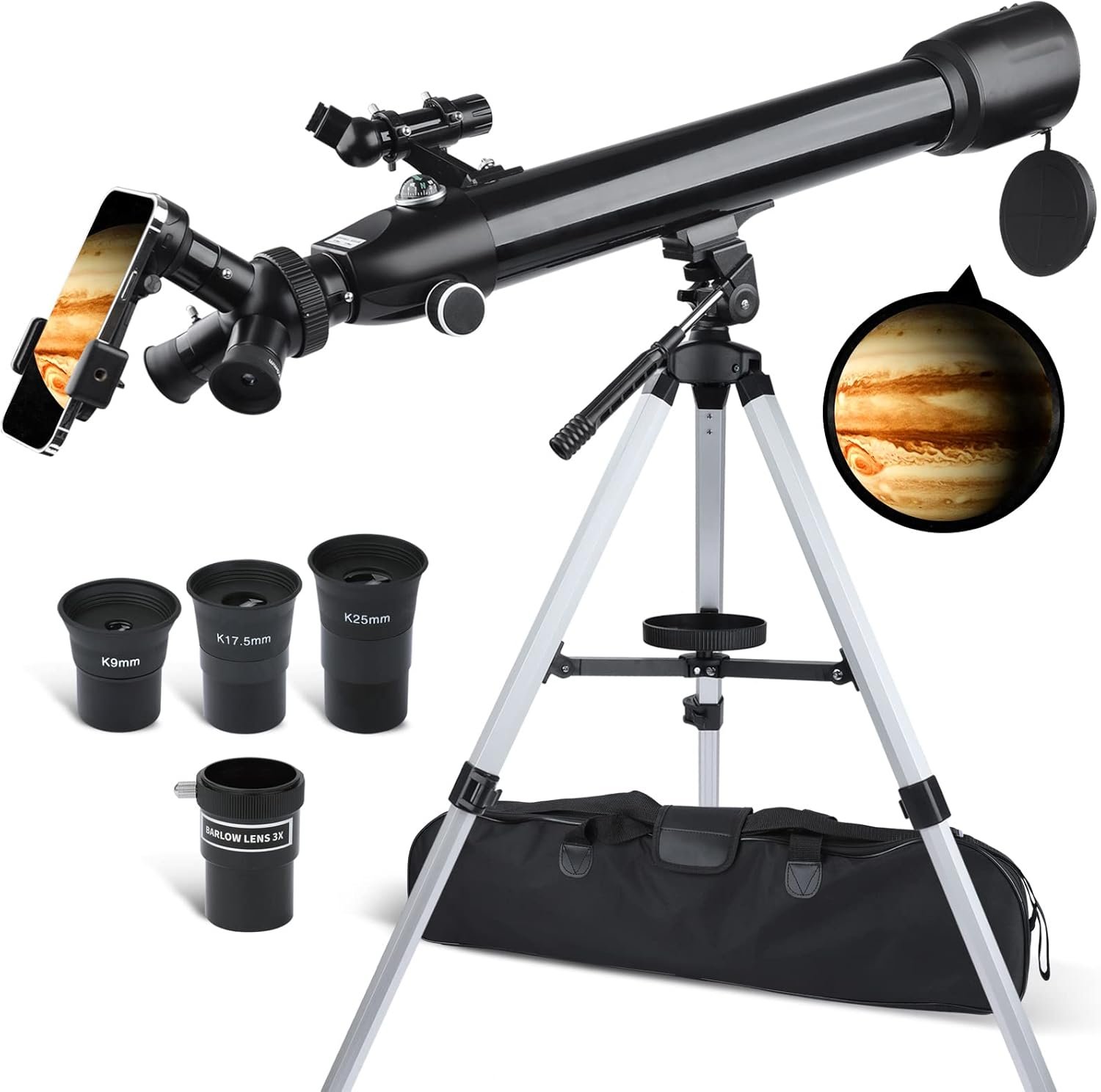
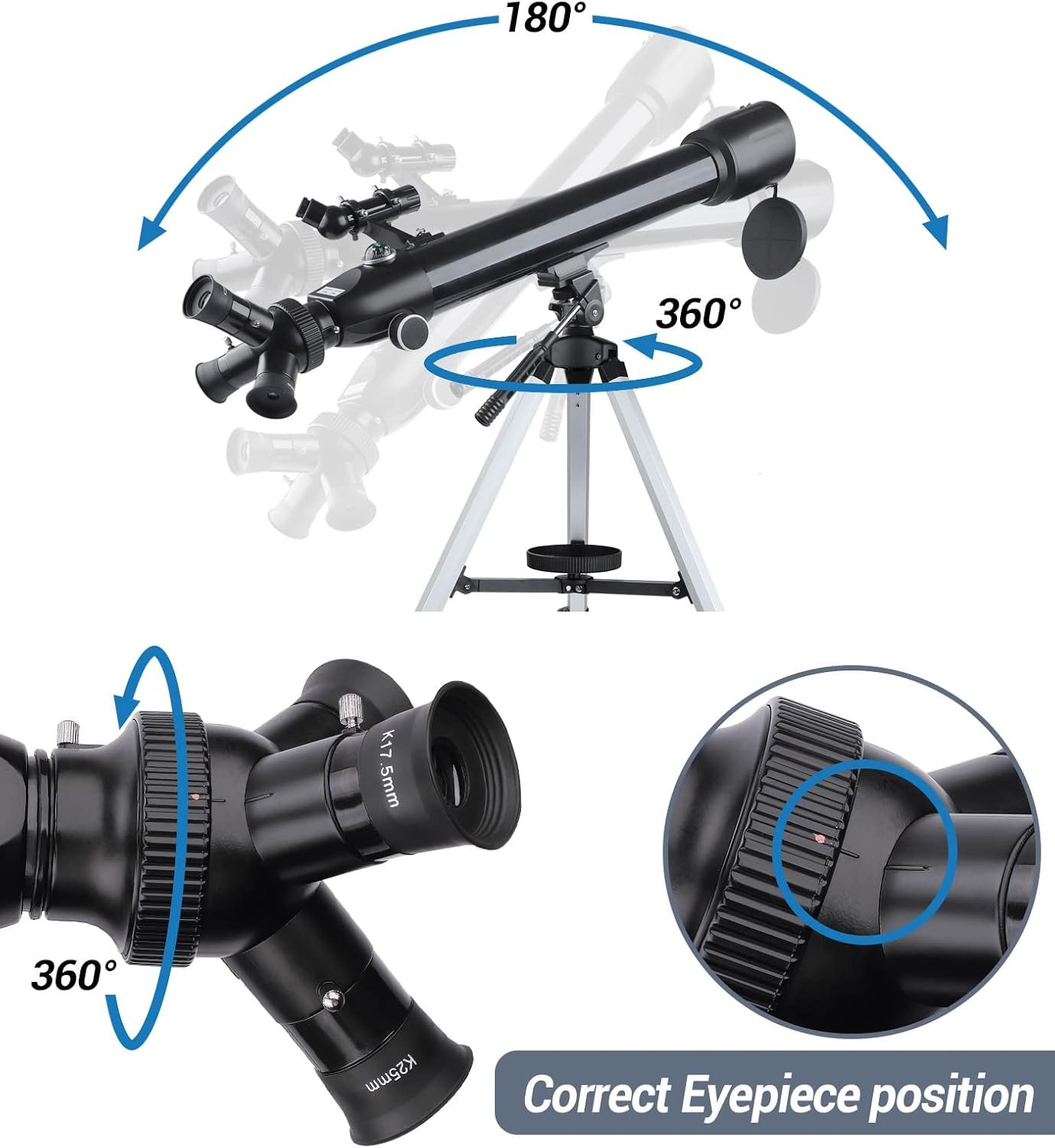
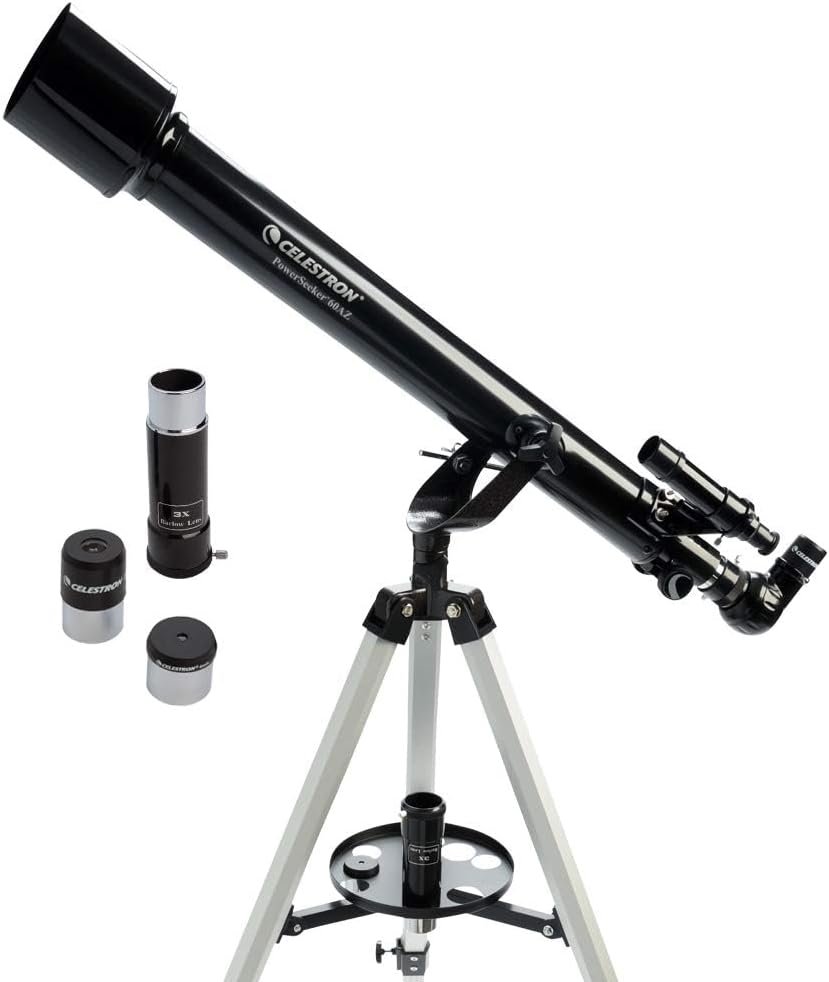
No, and telescopes actually hinder meteor observation. Their narrow field of view means you’ll miss most meteors occurring elsewhere in the sky.
Your naked eyes are the perfect instrument for meteor showers. They provide a wide field of view and instantly track movement across the entire sky. Binoculars offer no advantage—the magnification reduces your viewing area without improving meteor visibility.
Save your telescope for other astronomical targets. Use it to observe Jupiter’s moons, Saturn’s rings, lunar craters, or deep-sky objects between meteor watching sessions. But when meteors are your goal, trust your eyes.
Why Are Perseids Meteor Shower Fireballs So Spectacular?
The Perseids are famous for producing an unusually high percentage of fireballs—extremely bright meteors that can cast shadows and leave persistent glowing trains.
This happens because of the high entry velocity. Perseids slam into Earth’s atmosphere at 59 kilometers per second, among the fastest of all meteor showers. This extreme speed creates intense friction and heat, producing brilliant flashes visible even in light-polluted areas.
Larger particles from Comet Swift-Tuttle create the most spectacular fireballs. These can reach magnitude -3 or brighter, rivaling Venus in brightness. Some leave persistent trains that glow for several seconds as ionized gas slowly recombines in the upper atmosphere.
The colors reveal the meteor’s composition. Green indicates oxygen, yellow shows sodium, blue reveals magnesium, and red comes from nitrogen and oxygen. Many Perseids display multiple colors as different elements vaporize at different temperatures during atmospheric entry.
What Weather Conditions Are Best for Watching the Perseids?
Clear skies are absolutely essential. Even thin cirrus clouds block fainter meteors and reduce your meteor count significantly. Check weather forecasts 3-5 days in advance and be prepared to drive to clearer locations if necessary.
August weather varies by region. Northern locations often have clear, stable conditions. Southern areas may face humidity and haze. Coastal regions can experience marine layer clouds. Know your local weather patterns and plan accordingly.
Temperature is rarely an issue in August. Warm summer nights make the Perseids the most comfortable meteor shower to observe. You still need insect repellent in many areas, and a light jacket for pre-dawn hours when temperatures drop.
Air quality matters more than many realize. Smoke from wildfires, dust, or pollution reduces atmospheric transparency. Check air quality indexes before heading out. Crystal clear air after a cold front passes creates the best viewing conditions.
The 2026 new moon eliminates the biggest variable—lunar interference. Some years the full moon washes out the entire show. In 2026, you’ll enjoy naturally dark skies throughout the night, maximizing your meteor count.
Historical Observations: My Experience with the Perseids
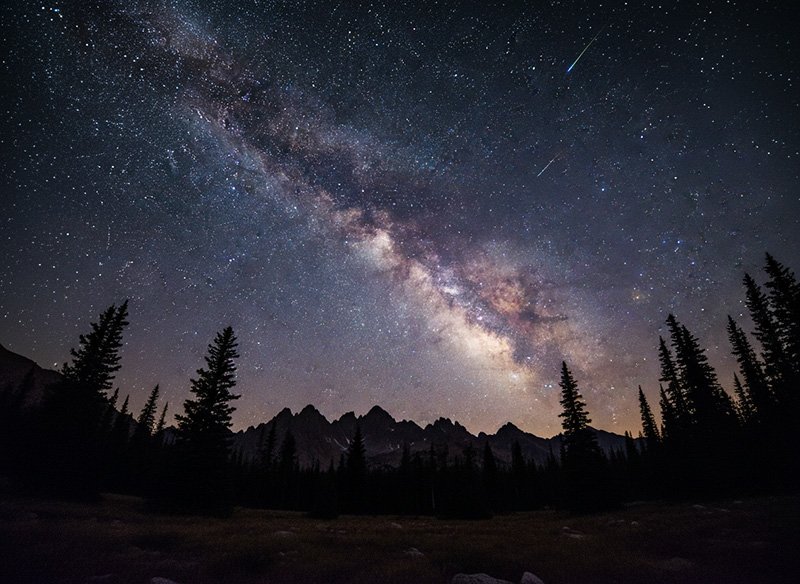
I’ve observed the Perseids more than a dozen times over two decades, and each year brings unique memories and lessons about this reliable shower.
My most memorable Perseid night occurred in 2018 from a dark site in rural mountains. Between midnight and 4 AM, I counted 147 meteors including nine brilliant fireballs. One fireball was so bright it illuminated the landscape for a full second, casting distinct shadows from trees. The persistent train glowed green for nearly five seconds before fading.
That night taught me the importance of dark skies. I had observed from suburban locations before, seeing perhaps 20-30 meteors per hour. From truly dark skies, the difference was transformative. Faint meteors invisible from the suburbs appeared constantly, and the overall experience felt immersive rather than sporadic.
I’ve also learned that the Perseids reward patience. My 2021 observation started slowly with only a few meteors in the first hour. I nearly gave up, but around 2 AM the activity increased dramatically. The final two hours produced more meteors than the previous three combined.
Weather has defeated me several times. Clouds, smoke from distant wildfires, and unexpected haze have all ruined otherwise perfect setups. I now check forecasts obsessively and maintain backup locations in different directions from home.
Frequently Asked Questions
What time should I watch the Perseids meteor shower 2026?
The best viewing occurs between midnight and dawn on August 12-13. The radiant rises higher and Earth’s rotation positions you optimally during these hours. You can also observe good activity on August 11-12 and August 13-14.
Do I need special equipment to see the Perseids?
No equipment is necessary. Your eyes are the best tool for meteor observation. Bring warm clothing, a reclining chair or blanket, and patience. Telescopes and binoculars actually reduce your viewing area and meteor count.
Why are the Perseids the most popular meteor shower?
The Perseids combine reliable high rates, warm summer weather, spectacular fireballs, and a multi-night peak. This makes them accessible to casual observers while still impressive to experienced watchers. The timing during summer vacation also helps.
Can I see the Perseids from the Southern Hemisphere?
Yes, but rates are lower. The radiant point in Perseus rises lower in the sky for southern observers, reducing visible meteor counts. Northern Hemisphere locations see significantly more Perseids.
What causes the different colors in Perseids meteors?
Colors come from different chemical elements vaporizing at high temperatures. Green indicates oxygen, yellow shows sodium, blue reveals magnesium, and red comes from nitrogen and oxygen in the upper atmosphere.
Conclusion
The Perseids meteor shower 2026 offers exceptional viewing conditions with the new moon providing naturally dark skies throughout peak activity. Rates of 60-100 meteors per hour combined with spectacular fireballs make this the year’s most accessible and rewarding celestial event.
No special equipment improves the experience. Your eyes, a dark location away from light pollution, and patience are your only requirements. The warm August weather eliminates the discomfort associated with winter meteor showers, making this ideal for first-time observers and families.
Mark your calendar for the night of August 12 extending into August 13 dawn. Plan for at least two hours of observation during the peak window. The Perseids reward those who venture into dark skies with a spectacular display that reminds us of our planet’s journey through space and our connection to the cosmos.
About The Universe Episodes
The Universe Episodes creates educational astronomy content that makes complex space science accessible to everyone. We combine stunning telescope imagery, practical observation guides, and philosophical perspectives on humanity’s place in the cosmos. Visit us at theuniverseepisodes.com for more celestial event guides, telescope reviews, and free downloadable astronomy resources.