

Key Takeaways:
- The Quadrantids meteor shower 2025 peaks January 3-4 with up to 120 meteors per hour
- Best viewing window: January 2 night through January 3 dawn in North America
- No telescope needed—your eyes are the best tool
- Dark skies away from city lights dramatically improve your experience
- This shower produces bright fireballs more frequently than most meteor showers
- Peak activity lasts only a few hours, making timing critical
What Makes the Quadrantids Meteor Shower 2025 Special?
The Quadrantids meteor shower kicks off every new year as one of the most spectacular celestial events you can witness. While most people know about the famous Perseids in August, the Quadrantids actually rival them in intensity with up to 120 meteors per hour under perfect conditions.
What sets the Quadrantids apart is their brevity and brilliance. Unlike other major meteor showers that maintain peak activity for a day or two, the Quadrantids reach maximum intensity for just a few hours. Miss that window, and you’ll see significantly fewer meteors.
The 2025 Quadrantids meteor shower arrives with excellent viewing conditions. The moon won’t interfere with observations, giving stargazers dark skies to catch every streak of light.
When Is the Quadrantids Meteor Shower 2025 Peak Time?
The Quadrantids meteor shower 2025 reaches peak activity on January 3 at approximately 15:00-18:00 UTC. For observers in North America, this translates to the night of January 2 extending into the early morning hours of January 3.
Optimal viewing times by region:
North America (EST): January 2, 11:00 PM through January 3, 6:00 AM
North America (PST): January 2, 8:00 PM through January 3, 3:00 AM
Europe (CET): January 3, 4:00 PM through January 4, 1:00 AM
Asia (JST): January 4, 12:00 AM through 9:00 AM
The shower remains active from December 26 through January 16, but activity outside the peak period drops dramatically. If you want to see the Quadrantids at their best, you need to observe during that narrow peak window.
Where Does the Quadrantids Meteor Shower Come From?
Most meteor showers originate from comets leaving debris trails that Earth passes through annually. The Quadrantids are different. They come from asteroid 2003 EH1, which astronomers believe is actually a dead comet that exhausted its ice centuries ago.
This parent body completes an orbit around the Sun every 5.52 years. As Earth crosses the debris stream left by 2003 EH1, particles slam into our atmosphere at 40.4 kilometers per second, creating the bright streaks we call meteors.
The shower gets its name from Quadrans Muralis, a constellation created by French astronomer Jérôme Lalande in 1795. The International Astronomical Union eliminated this constellation from official star charts in 1922, but the meteor shower’s name persists as a reminder of astronomical history.
How to See the Quadrantids Meteor Shower: Complete Viewing Guide
Watching the Quadrantids meteor shower 2025 requires no special equipment, but following these steps maximizes your experience.
Find dark skies away from light pollution. City lights wash out fainter meteors. Drive at least 30-50 miles from urban areas if possible. Use a light pollution map to locate the darkest skies near you.
Look toward the northeast sky. The Quadrantids radiate from a point in the constellation Boötes, which rises in the northeast after midnight. However, you don’t need to stare directly at the radiant point. Meteors appear throughout the sky, though they trace back to this origin.
Give your eyes 20-30 minutes to adapt. Your pupils need time to fully dilate in darkness. Avoid looking at phone screens or flashlights during this period. If you need light, use a red flashlight which preserves night vision.
Dress warmer than you think necessary. January nights are cold, and you’ll be sitting or lying still for extended periods. Bring blankets, sleeping bags, or insulated clothing. Hand warmers in your pockets make a significant difference.
Lie flat on your back. A reclining lawn chair or blanket on the ground lets you scan the entire sky without neck strain. Position yourself so you face northeast with a wide field of view.
Be patient. Meteor watching requires time. Plan to observe for at least one hour. Activity fluctuates, with quiet periods followed by bursts of multiple meteors.
What Is the Quadrantids Radiant Point and Why Does It Matter?
The radiant point is the spot in the sky where meteors appear to originate. For the Quadrantids, this point lies in what was once Quadrans Muralis, now part of the constellation Boötes near the Big Dipper’s handle.
Understanding the radiant matters for timing. The radiant rises in the northeast around midnight and climbs higher through the pre-dawn hours. The higher the radiant, the more meteors you’ll see because you’re looking through less atmosphere.
This is why the hours between 2:00 AM and dawn produce the best meteor counts. The radiant reaches its highest point, and you’re viewing the shower from the optimal angle.
Interestingly, you shouldn’t stare directly at the radiant. Meteors close to the radiant have short trails and are harder to spot. Look 30-50 degrees away from the radiant for the longest, most dramatic meteor trails.
Quadrantids vs Perseids vs Geminids: How Do They Compare?
The three major meteor showers each have distinct characteristics.
Quadrantids (January) produce up to 120 meteors per hour but peak for only a few hours. They’re known for bright fireballs and occur during cold winter nights. The narrow peak makes them challenging to catch but rewarding for those who time it right.
Perseids (August) are the most famous, producing 60-100 meteors per hour over multiple nights. Warm summer weather makes them accessible to casual observers. They originate from Comet Swift-Tuttle.
Geminids (December) rival the Quadrantids with 120 meteors per hour and maintain peak activity longer. They come from asteroid 3200 Phaethon and occur during cold December nights.
The Quadrantids stand out for their brevity and intensity. If you catch them at peak, they match or exceed any other shower. Miss the peak by even 12 hours, and the show diminishes significantly.
Can You Photograph the Quadrantids Meteor Shower 2025?
Yes, and January’s dark skies create excellent photography conditions. You don’t need expensive equipment—a DSLR or mirrorless camera with manual settings works perfectly.
Camera settings for meteor photography:
Aperture: f/2.8 or wider (f/1.4, f/2.0 ideal)
Shutter speed: 15-25 seconds
ISO: 3200-6400 depending on light pollution
Focus: Manual focus set to infinity
Lens: Wide-angle (14-24mm) captures more sky
Mount your camera on a sturdy tripod and aim toward the northeast sky, but not directly at the radiant. Frame your shot to include interesting foreground elements like trees or mountains for compositional depth.
Use an intervalometer or your camera’s built-in interval timer to capture continuous exposures throughout the night. You’ll take hundreds of shots, but only a fraction will capture meteors. That’s normal and expected.
Stack your images later using software like StarStaX to create composite images showing multiple meteor trails in one frame. This technique produces stunning results that single exposures can’t match.
Do You Need a Telescope for the Quadrantids Meteor Shower?
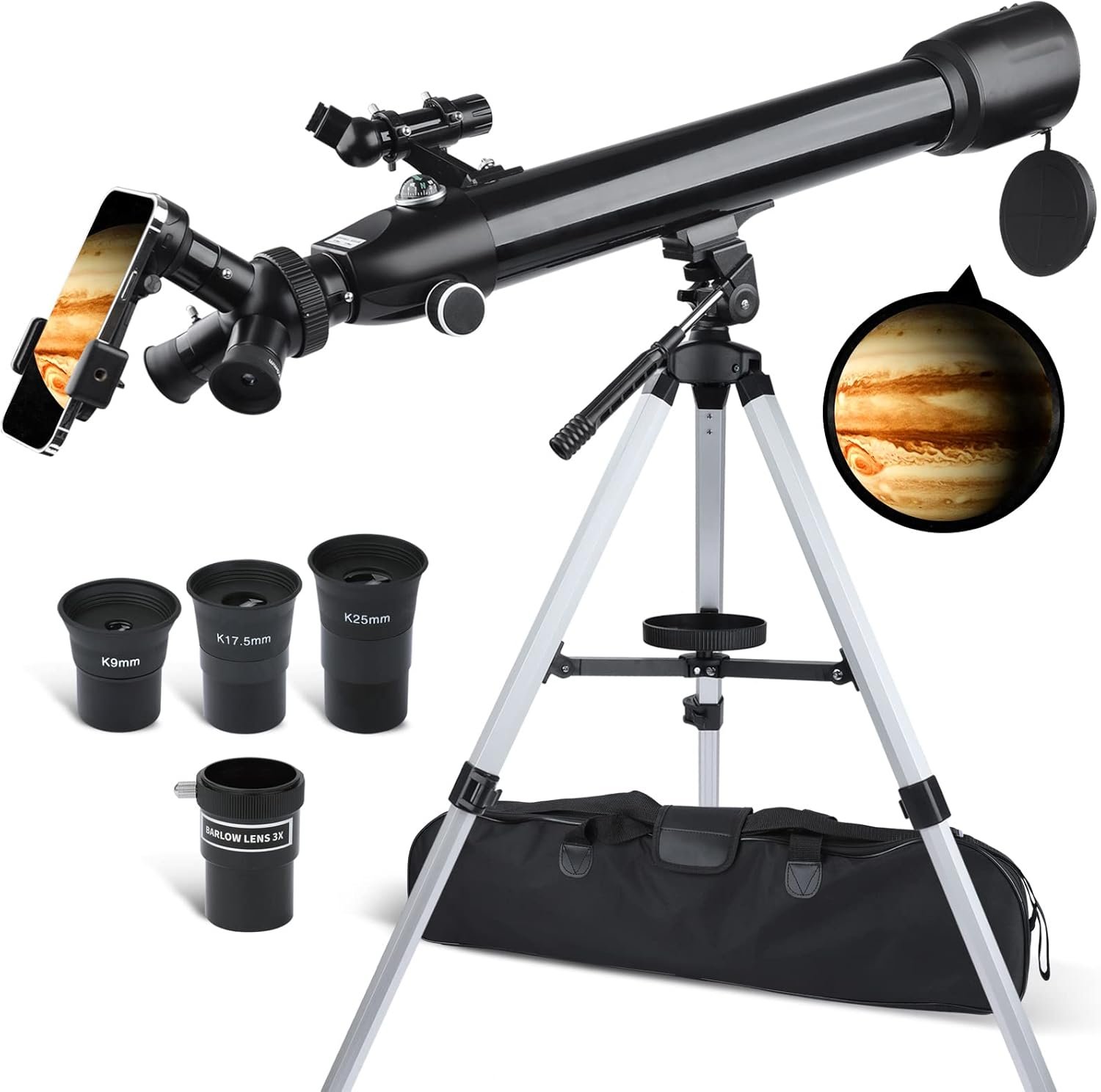
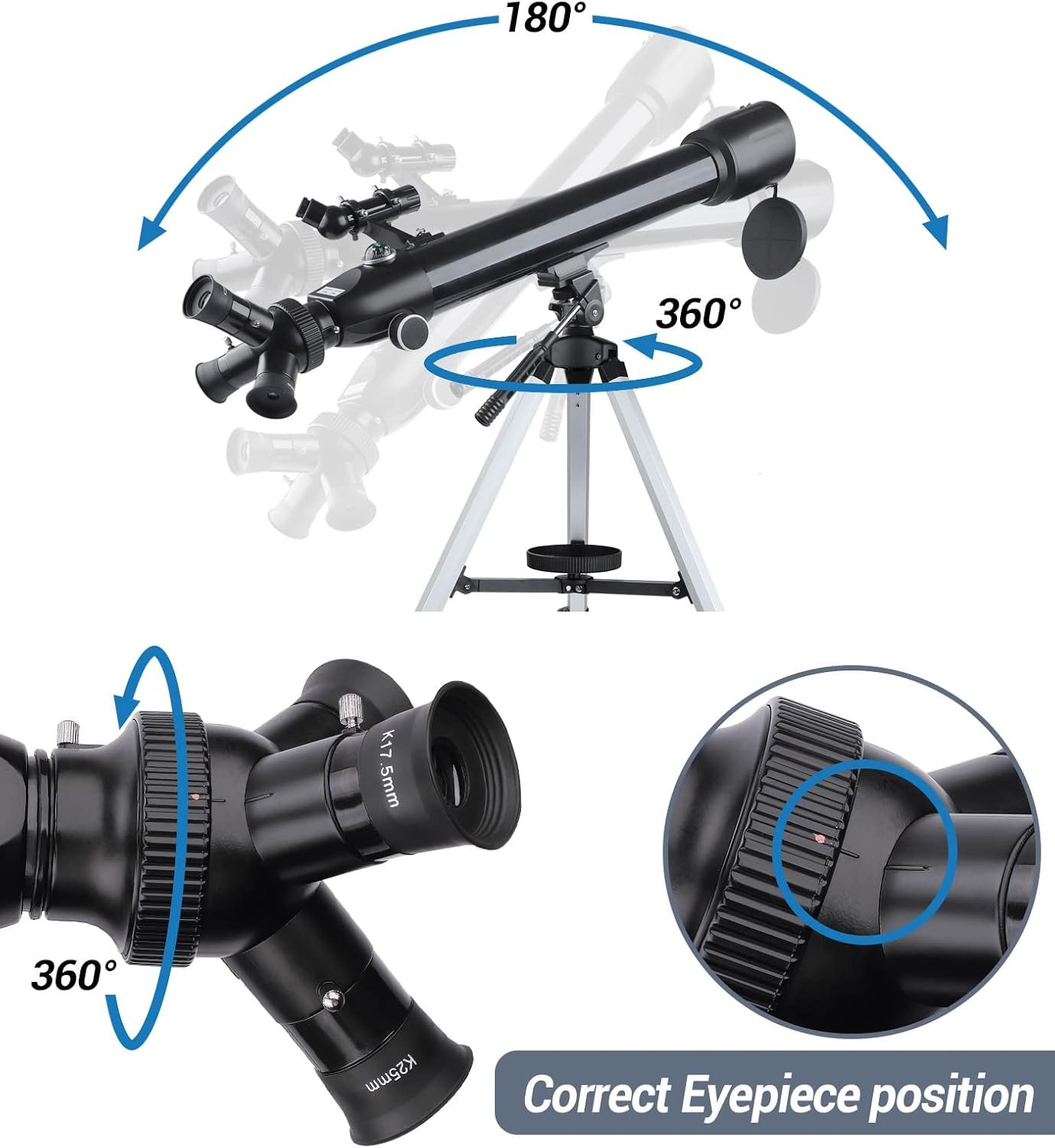
No. Telescopes actually work against you for meteor watching. Their narrow field of view means you’ll likely miss meteors happening elsewhere in the sky.
Your eyes are the perfect instrument for meteor showers. They provide a wide field of view and instantly track movement across the sky. Binoculars offer no advantage either—the magnification reduces your viewing area without improving meteor visibility.
Save your telescope for other astronomical targets like planets, the moon, or deep-sky objects. For meteor showers, just bring yourself, warm clothing, and patience.
Why Are Quadrantids Meteor Shower Fireballs So Bright?
The Quadrantids produce an unusually high percentage of fireballs—extremely bright meteors that can cast shadows and leave persistent trains glowing in the sky for seconds after the meteor passes.
This happens because of the debris composition and entry angle. Particles from asteroid 2003 EH1 enter Earth’s atmosphere at 40.4 km/s, creating intense friction and heat. Larger particles produce the spectacular fireballs that make this shower memorable.
Approximately 1-2% of Quadrantids are fireballs, a higher rate than most meteor showers. These brilliant streaks often display colors—green from oxygen, yellow from sodium, blue from magnesium, and red from nitrogen and oxygen in the upper atmosphere.
What Weather Conditions Are Best for Watching the Quadrantids?
Clear skies are essential. Even thin clouds block fainter meteors. Check weather forecasts several days in advance and be prepared to drive to clearer areas if necessary.
Temperature matters less than you might think—cold air is often clearer with less atmospheric haze. Dress appropriately and embrace the winter conditions.
Humidity and air quality affect visibility. Dry, clean air provides the best transparency. Avoid nights following rain when moisture lingers in the atmosphere, and check air quality indexes if you live in areas prone to pollution or wildfire smoke.
Moon phase significantly impacts meteor visibility. The 2025 Quadrantids benefit from a new moon period, providing dark skies throughout the night. This happens only occasionally—some years the full moon washes out the entire show.
Historical Observations: My Experience with the Quadrantids
I’ve observed the Quadrantids three times over the past decade, and each experience taught me something valuable about this unpredictable shower.
My first attempt in 2018 failed completely. I arrived at my dark-sky site an hour after peak, and the show had already declined dramatically. I saw perhaps 15 meteors in two hours—disappointing compared to the promised rates.
In 2020, I timed it perfectly. Arriving at 1:00 AM, I witnessed the peak between 2:30 and 4:30 AM. The meteors came in waves—five minutes of quiet followed by sudden bursts of 8-10 meteors in rapid succession. I counted 87 meteors in three hours, including four brilliant fireballs that left glowing trains.
That night taught me the importance of the narrow peak window. The Quadrantids don’t forgive poor timing. You need to be there during those few critical hours, or you’ll miss the show.
My 2023 observation fell on a cloudy night. Despite perfect timing, clouds blocked everything. Weather remains the ultimate variable you cannot control.
Frequently Asked Questions
What time should I watch the Quadrantids meteor shower 2025?
Watch from midnight on January 2 through dawn on January 3 for North American observers. The peak occurs around 2:00-4:00 AM local time when the radiant is highest in the sky.
Do I need special equipment to see the Quadrantids?
No equipment is necessary. Your eyes are the best tool for meteor watching. Bring warm clothing, a reclining chair or blanket, and patience.
Why is the Quadrantids meteor shower so short?
The debris stream from asteroid 2003 EH1 is narrow and concentrated. Earth passes through the densest part in just a few hours, unlike broader debris streams that produce multi-day peaks.
Can I see the Quadrantids from the Southern Hemisphere?
The Quadrantids favor Northern Hemisphere observers because the radiant point in Boötes rises higher in northern skies. Southern observers see significantly fewer meteors.
What causes the different colors in Quadrantids meteors?
Colors come from different elements in the meteor vaporizing at high temperatures. Green indicates oxygen, yellow shows sodium, blue reveals magnesium, and red comes from nitrogen and oxygen.
Conclusion
The Quadrantids meteor shower 2025 offers the year’s first major celestial event with rates matching the famous Perseids and Geminids. The narrow peak window on January 3-4 demands precise timing, but observers who catch it at maximum will witness up to 120 meteors per hour including brilliant fireballs.
Dark skies away from light pollution, patience, and warm clothing are your only requirements. No telescope or special equipment improves the experience—your eyes provide the perfect wide-field view for catching meteors across the entire sky.
Mark your calendar for the night of January 2 extending into January 3 dawn. Give yourself at least two hours of observation time during the peak window. The Quadrantids reward those who brave the cold January night with a spectacular display that sets the tone for a year of astronomical wonders.