
So here’s what’s going on in space right now, and honestly, it’s pretty wild.
NASA’s Getting Ready to Send People Back to the Moon
After decades of just talking about it, NASA’s actually making real progress on Artemis II. This is going to be the first time humans go near the Moon since the 1970s. Yeah, that’s a long gap.
Four astronauts—Reid Wiseman, Victor Glover, Christina Koch, and Jeremy Hansen—are going to fly around the Moon and come back. It sounds simple, but it’s basically a test run to make sure everything works before they try landing people on the surface with Artemis III.
What’s Been Happening in Florida
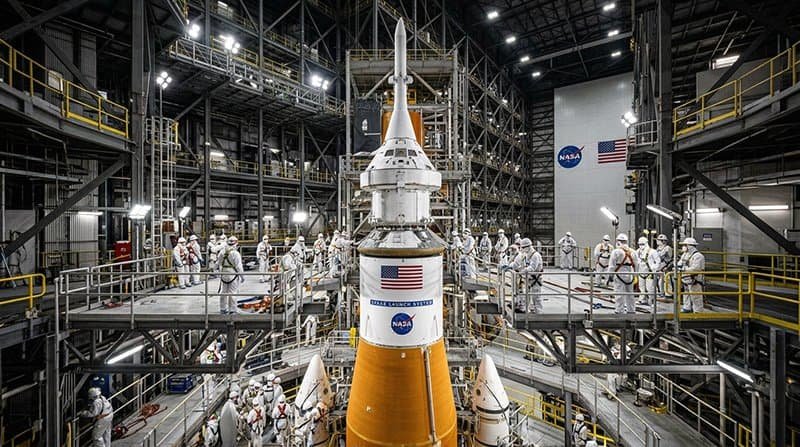
Down at Kennedy Space Center, engineers have been busy checking all the systems. They’ve finished testing the environmental controls (you know, the stuff that keeps astronauts alive) and the propulsion systems. Now they’re getting ready to stack everything together—the Orion capsule on top of that massive SLS rocket.
The whole point of this mission is to test life support, navigation, and how everything performs in deep space. Because let’s be real, if something goes wrong halfway to the Moon, you can’t exactly call AAA.
NASA’s got bigger plans too. They want to set up a base near the Moon’s south pole and eventually use what they learn to get to Mars. But first things first—let’s make sure we can actually get people to the Moon and back safely.
SpaceX is Doing SpaceX Things in Texas

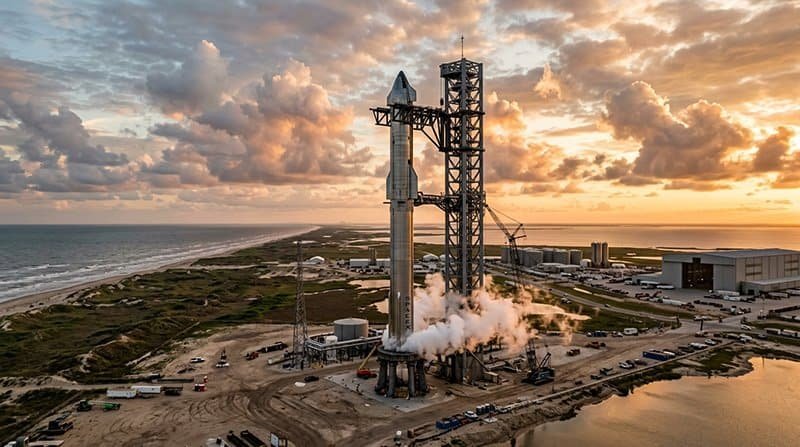
Meanwhile, down in Boca Chica, Texas, SpaceX keeps blowing stuff up. Well, not exactly, but they’re definitely pushing Starship to its limits.
If you haven’t been following along, Starship is this absolutely massive rocket that’s supposed to be completely reusable. And when I say massive, I mean it—this thing is designed to carry people and cargo to the Moon, Mars, basically anywhere we want to go.
Here’s the interesting part: NASA picked Starship to be the actual lander for Artemis III. So SpaceX isn’t just doing their own thing anymore—they’re a critical part of getting NASA astronauts on the Moon.
Recent Tests
They’ve been working on a bunch of stuff lately:
The booster catch system (trying to catch a falling rocket with giant mechanical arms—because why not?), getting the upper stage to survive coming back through the atmosphere without burning up, making sure the engines work reliably, and upgrading the launch pad because the previous tests kind of destroyed it.
The FAA is watching everything closely, making sure SpaceX follows environmental rules and safety protocols. It’s a delicate balance between moving fast and not cutting corners.
Space Force is Upgrading Our Eyes in the Sky
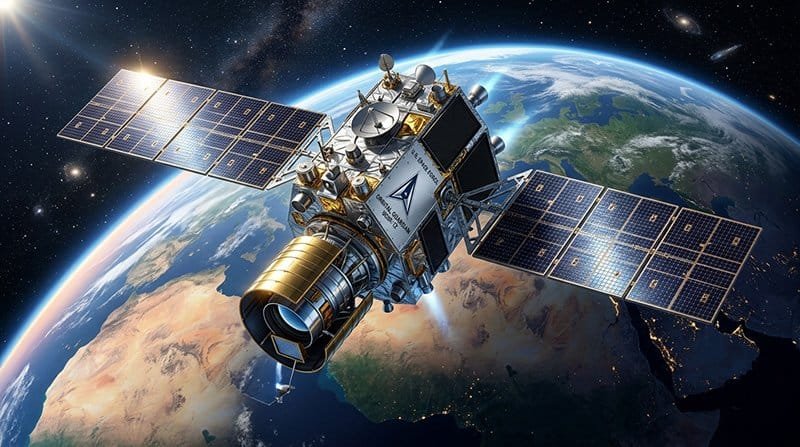
This one doesn’t get as much attention, but it’s pretty important. The U.S. Space Force is building a new constellation of satellites called Next-Gen OPIR to replace our aging missile warning systems.
These satellites detect missile launches from anywhere on Earth. With countries developing faster, more advanced missiles, we need better detection systems. It’s not the sexy stuff like Moon missions, but it matters for national security.
They’re making steady progress—integrating the sensors, upgrading ground stations, and planning launches from Cape Canaveral over the next few years. It’s all part of modernizing our space defense capabilities because, well, space is getting crowded and competitive.
Why All This Matters
Look, we’re living through something pretty special. For the first time in decades, there’s real momentum in space exploration. It’s not just government agencies doing their thing in isolation anymore.
You’ve got NASA pushing forward with Artemis, trying to establish a permanent presence near the Moon. SpaceX is building rockets that seemed impossible a few years ago and making them central to national space goals. And the military is making sure we maintain our strategic position as more countries develop space capabilities.
The next couple of years are going to be intense. Artemis II will launch and people will actually watch humans travel to the Moon again. Starship will keep getting refined until it’s ready for real missions. Those new military satellites will start launching and improving our early-warning capabilities.
We’re not just going back to the Moon for a photo op this time. We’re building infrastructure, testing technologies, and laying groundwork for Mars missions.
It’s easy to be cynical about space stuff—it’s expensive, timelines slip, things blow up. But man, when you step back and look at what’s actually happening, it’s hard not to get a little excited. We might actually be on the verge of becoming a multi-planet species. How crazy is that?
What do you think? Are we moving fast enough, or should we be doing more? Drop a comment and let me know.
Sources: NASA, SpaceNews, Washington Post, CNBC, Defense News, Reuters
FAQs
What is NASA's Artemis II mission about?
NASA's Artemis II mission aims to send four astronauts around the Moon. This will be the first crewed mission since the 1970s.
How does NASA plan to prepare for Moon landings?
NASA prepares for Moon landings by testing life support, navigation, and propulsion systems. They ensure everything works before attempting landings.
What is the estimated cost of the Artemis program?
The estimated cost of the Artemis program is around $35 billion through 2025. This includes multiple missions to the Moon.
Can SpaceX's Starship land astronauts on the Moon?
Yes, SpaceX's Starship has been selected as the lander for NASA's Artemis III mission to transport astronauts to the Moon.
How long will the Artemis II mission take to complete?
The Artemis II mission is expected to last about 10 days, including the journey around the Moon and back to Earth.