



Hey everyone! I wanted to share some interesting updates from NASA that came out recently. If you’re into space exploration like me, there’s a lot of cool stuff happening right now.
Artemis Program Moving Forward
So NASA’s been busy with ground testing and putting together hardware for the Artemis missions. They’re really focusing on life-support systems and making sure everything’s ready for the crewed flights coming up.
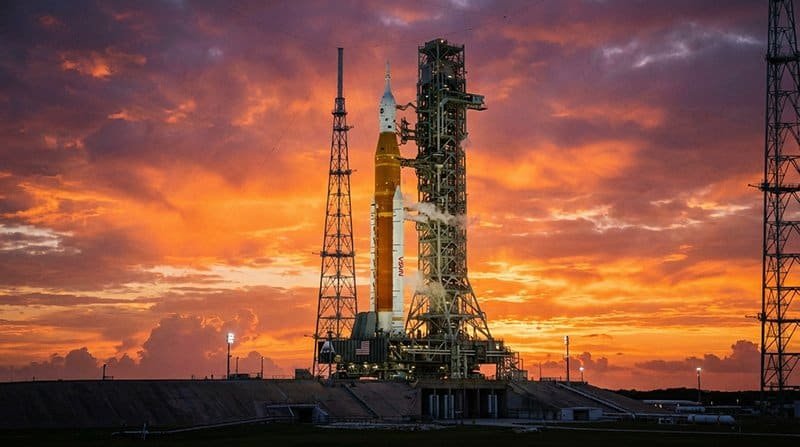
The teams are going through data from previous tests where they ran the Space Launch System and Orion spacecraft together. From what officials are saying, the timeline basically depends on getting through final safety checks and readiness reviews. They’re still working toward getting astronauts back to the Moon later this decade, which is pretty exciting.
Mars Sample Return Getting Refined
There’s been some progress on the Mars Sample Return mission too. NASA engineers are looking at different options after some independent reviews that focused on keeping costs down and making the timeline more realistic.
They’re studying simpler mission designs to bring back those samples that Perseverance has been collecting. The program managers are saying that working with international partners and making sure the technology actually works are the big priorities as they revise the plan.
James Webb Keeps Delivering on Exoplanets
The James Webb Space Telescope continues to impress with detailed atmospheric data from distant exoplanets. Lately they’ve been looking for chemical signatures like water vapor and carbon dioxide in super-Earth and sub-Neptune sized planets.
Scientists are saying Webb’s infrared capabilities are letting them characterize these planetary atmospheres way more precisely than we could before. It’s really opening up what we can learn about these distant worlds.
ISS Operations Continue
NASA and its commercial partners are coordinating the next crew rotation missions to the International Space Station. The usual stuff is ongoing up there – routine maintenance, microgravity research experiments, and testing out new technologies.
All of this work supports the research needed for longer missions to the Moon and eventually Mars, so it’s pretty foundational stuff even if it doesn’t always make headlines.
Earth Science Work Continues
NASA’s Earth-observing satellites are still tracking global temperatures, what’s in our atmosphere, and extreme weather patterns. Missions like Landsat and other climate-monitoring platforms are providing data that helps both scientific research and policy discussions around climate resilience and environmental change.
It’s a good reminder that NASA doesn’t just look outward – a lot of their work helps us understand our own planet better too.
FAQs
What is the Artemis Program by NASA?
The Artemis Program is NASA's initiative to return astronauts to the Moon. It focuses on developing life-support systems and hardware for crewed flights.
How does NASA prepare for Artemis missions?
NASA prepares for Artemis missions through ground testing and assembling hardware. This includes final safety checks and readiness reviews before crewed flights.
What is the estimated cost of the Artemis Program?
The estimated cost of the Artemis Program is around $35 billion. This covers multiple missions and the development of necessary technologies.
Can anyone participate in NASA's Artemis missions?
No, not everyone can participate in NASA's Artemis missions. Only selected astronauts undergo extensive training and meet specific eligibility criteria.
How long until astronauts return to the Moon with Artemis?
Astronauts are expected to return to the Moon later this decade. The exact timeline depends on the completion of safety checks and readiness reviews.