

A galaxy is a gigantic system of stars, gas, dust, and dark matter held together by gravity. Some galaxies are spiral-shaped like our own Milky Way, some are smooth and round like ellipticals, and some are irregular with no clear structure.
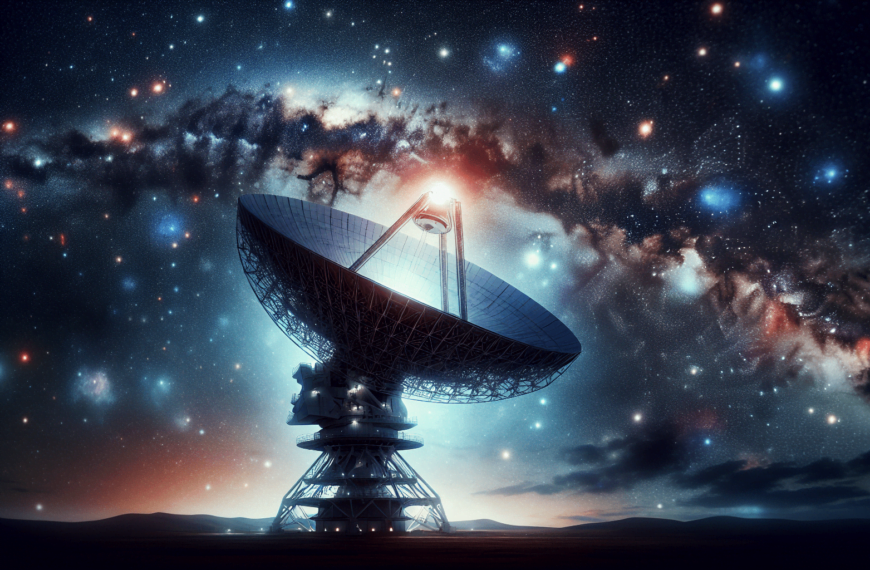
The Milky Way is the galaxy we live in. From Earth, we see it as a faint band of light because we are looking through the dense plane of our galaxy. In darker skies, that band becomes more visible and can feel almost unreal the first time you notice it.
One of the most exciting beginner facts is that you can sometimes see another galaxy with your own eyes. Andromeda is a classic example. Under dark skies, it appears as a faint, fuzzy patch. It won’t look like a photograph, but it is still astonishing because you are seeing light that traveled for millions of years.
If you want to go deeper, learning a few constellations and bright “anchor” stars makes finding galaxies and nebulae much easier. Deep-sky observing is less about power and more about patience, dark adaptation, and knowing where to look.