

The Moon never actually changes its shape. What changes is how much of the Moon’s sunlit half we can see from Earth. Once this single idea clicks, the entire lunar calendar becomes much easier to understand.
Picture the Moon as a ball floating in space. The Sun always lights up half of it, no matter where the Moon is. As the Moon travels around Earth, our viewing angle shifts. Because of that shift, we see different portions of the bright half over time. That’s all that’s happening. The phases are not caused by Earth’s shadow, except in the rare case of a lunar eclipse.
The Moon follows a repeating cycle of phases. It begins with the new Moon, when the lit side faces away from us. Then comes the waxing crescent, first quarter, waxing gibbous, and full Moon. After that, the pattern reverses through the waning gibbous, last quarter, and waning crescent. The word “waxing” simply means the visible light is increasing. “Waning” means it’s decreasing.
One easy activity can make this idea feel real instead of abstract. Go outside on three different nights in the same week and spend about 30 seconds sketching the Moon each time. You’ll notice two clear changes. The shape will look different, and the Moon will appear in a different part of the sky. Seeing this for yourself builds understanding faster than memorizing phase names ever will.
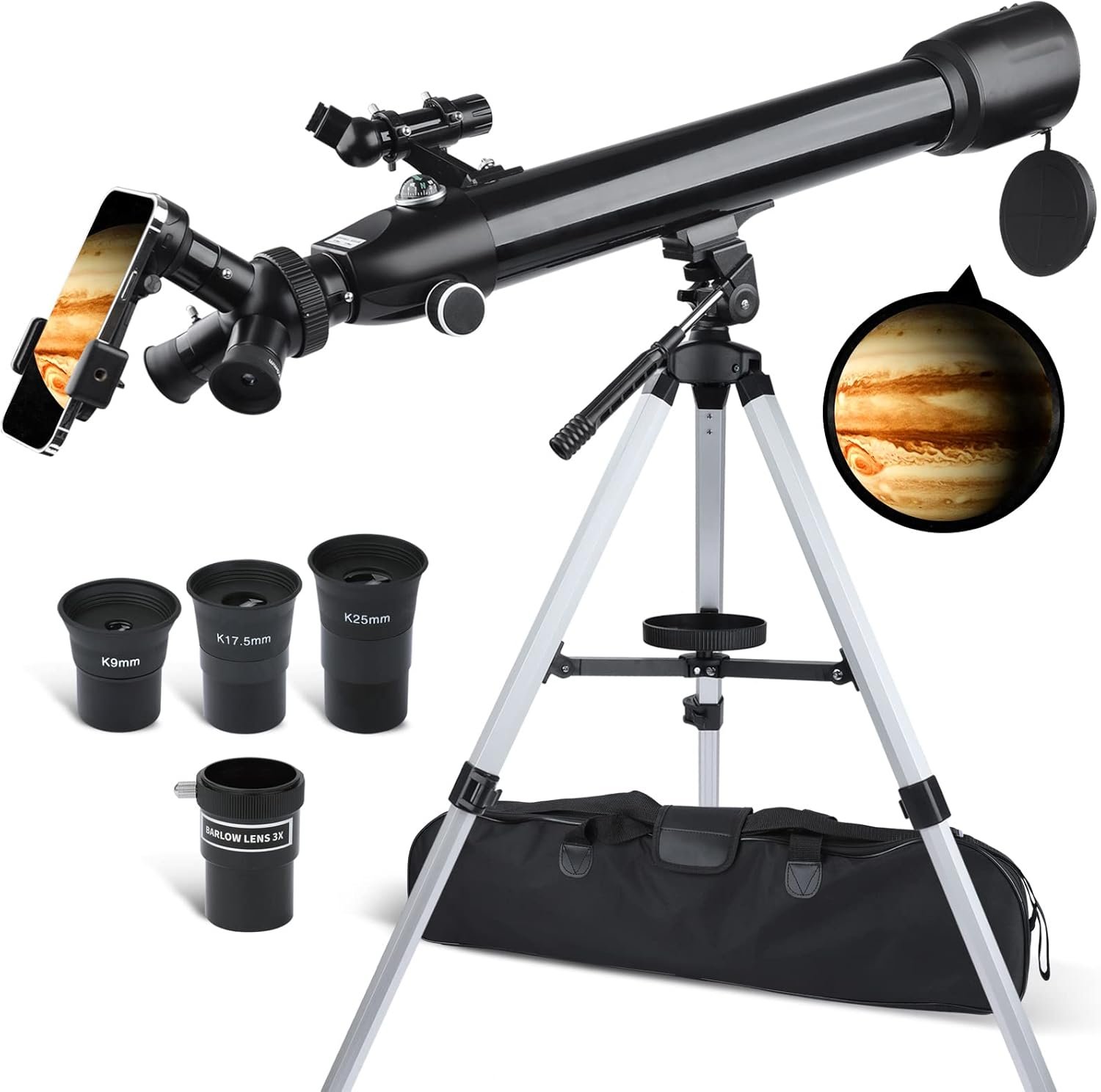
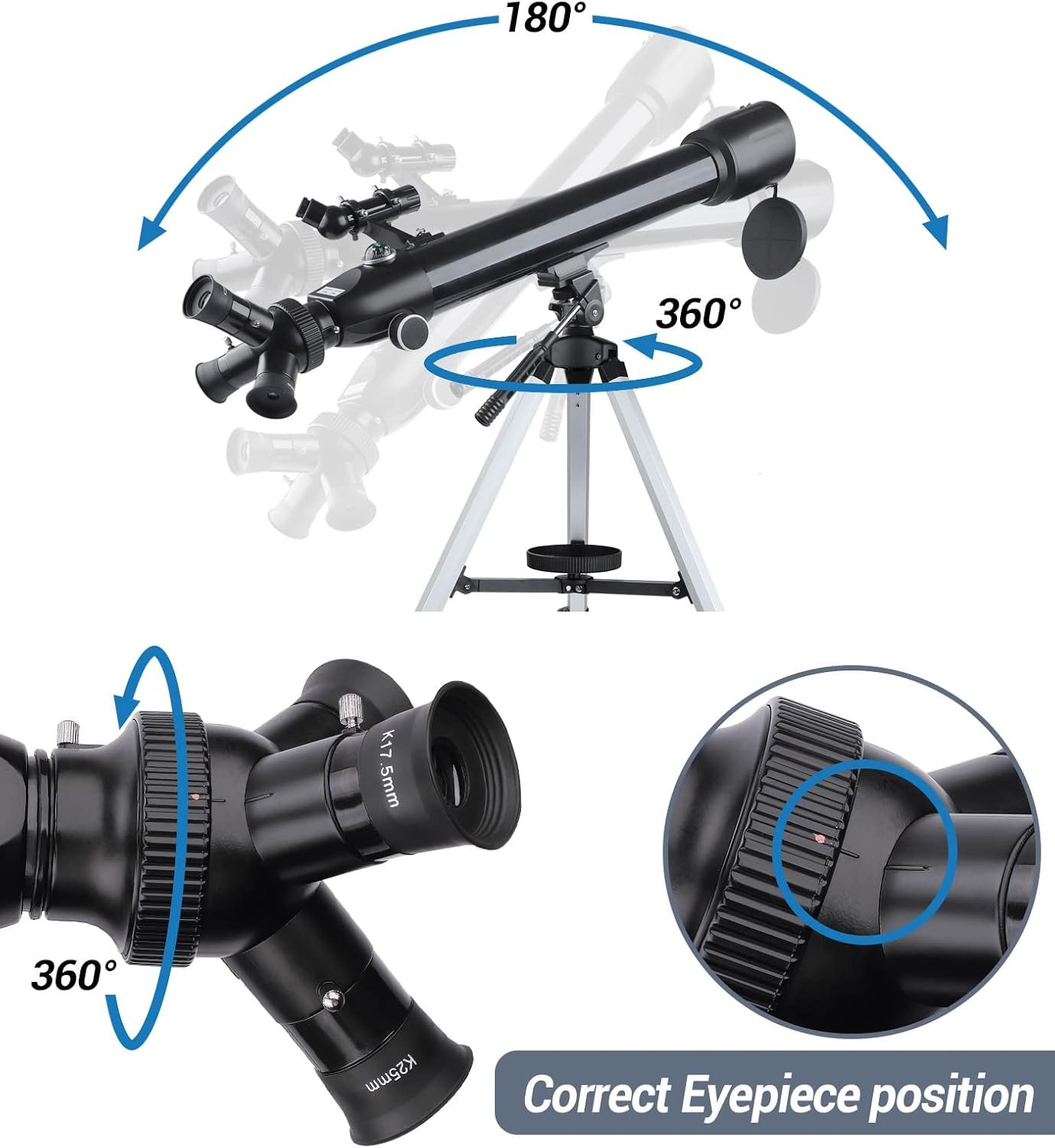
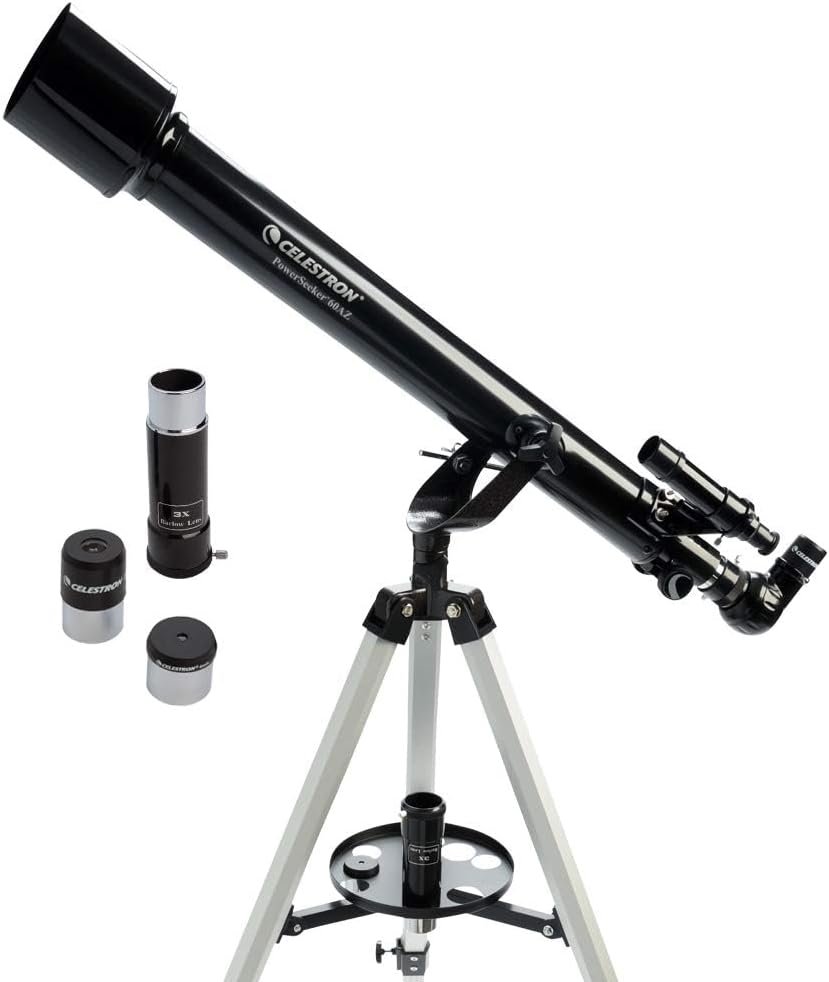
The Moon is also one of the best objects for beginners to observe. Even with no equipment, it looks striking. With a simple telescope, the most stunning details often appear along the boundary between light and shadow, where craters and mountains cast long, sharp contrasts.