

For a first-time stargazer, binoculars are usually the better choice. They are cheaper, easier to use, and show you a wide field of view that helps you learn the sky. A good pair of 10×50 binoculars will outperform a cheap telescope. Once you know the sky and want more magnification, upgrading to a telescope makes sense.
Binoculars vs. Telescope — Side by Side
| Binoculars | Telescope | |
|---|---|---|
| Price (entry level) | $50–$150 | $100–$300 |
| Setup time | Instant | 5–15 minutes |
| Field of view | Wide (easy to find objects) | Narrow (harder to navigate) |
| Magnification | 7x–15x | 50x–300x+ |
| Best for | Moon, star clusters, Milky Way | Planets, craters, deep sky |
| Portability | Excellent | Moderate |
| Learning curve | Low | Medium–High |
When to Choose Binoculars
Binoculars vs. Telescopes: Choosing Your First Astronomy Gear
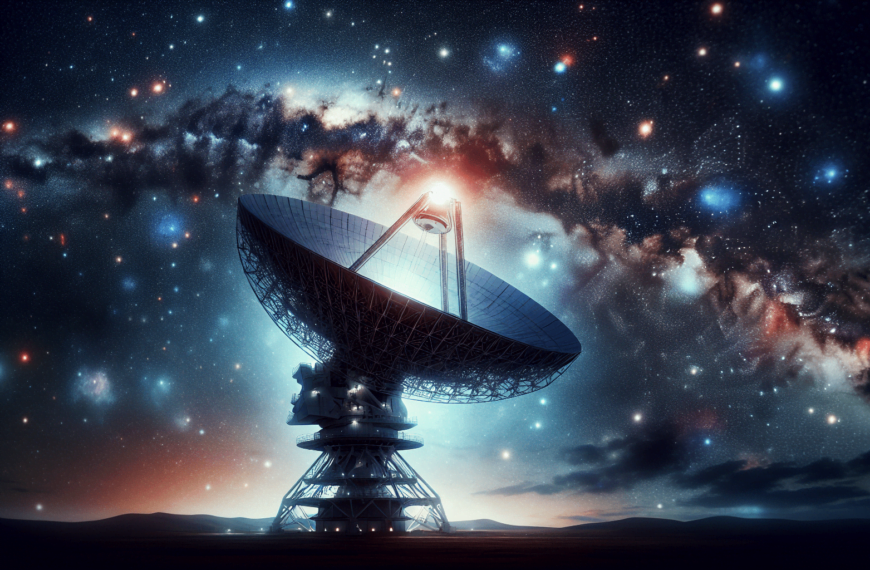
Choosing your first astronomy gear can feel confusing, especially when online listings emphasize huge magnification numbers. The reality is much simpler. Binoculars are often the fastest and easiest way to start, while a beginner telescope can reveal the Moon and planets in a more dramatic way. The better choice depends on what kind of experience you want when you step outside and look up.
Why Binoculars Are a Great First Choice
Binoculars win on simplicity. They are intuitive, quick to use, and easy to carry. Most importantly, they give you a wide view of the sky. That wide view makes a big difference because it helps you find objects without frustration.
With binoculars, the Moon shows texture and depth, star clusters look richer, and bright objects become more satisfying to observe. There is no complex setup, no alignment process, and no waiting. You can step outside and start observing in seconds.
When a Telescope Makes Sense
A telescope shines when you want detail and a stronger sense of realism. The Moon’s craters become clearly defined. Jupiter’s moons appear as small points lined up beside the planet. Saturn’s rings can be seen as a distinct shape rather than just a bright dot.
The tradeoff is patience. Telescopes have a narrower field of view, require more setup, and need a stable mount to avoid shaking. Learning to aim and focus takes time, but the reward is a deeper look at specific targets.
The Biggest Beginner Mistake
Many beginners buy equipment based on magnification alone. This is a mistake. High magnification is meaningless if the view is dim, blurry, or constantly shaking. A stable mount and decent optics will always create a better experience than extreme magnification numbers.
Which Should You Choose?
If you want the easiest path to regular, stress‑free stargazing, start with binoculars and build the habit of observing the night sky. If your main goal is to explore the Moon and planets in more detail, choose a beginner telescope that is stable, easy to point, and realistic for your space and schedule.
The best first astronomy gear is the one that makes you want to go outside again tomorrow night
Are binoculars or a telescope better for beginners?
Binoculars are generally better for beginners. They are cheaper, require no setup, and have a wide field of view that makes it easier to find objects in the night sky. A good pair of 10×50 binoculars will reveal the Moon's craters, star clusters like the Pleiades, and even the Andromeda Galaxy.
What binoculars are best for stargazing?
The best binoculars for stargazing are 10×50 or 7×50. The first number is magnification, the second is aperture in mm. 50mm aperture gathers enough light for night use. Brands like Celestron, Nikon, and Orion make reliable astronomy binoculars in the $80–$200 range.
What can you see with binoculars that you can't with the naked eye?
With 10×50 binoculars you can see Jupiter's four Galilean moons, Saturn as a small oval shape with hint of rings, the Orion Nebula, the Andromeda Galaxy, star clusters like the Pleiades and Beehive, and lunar craters in detail.
What can a telescope do that binoculars can't?
Telescopes reach much higher magnifications — 100x to 300x and beyond. This reveals Saturn's ring gaps, Jupiter's cloud bands, Mars's polar ice caps, and much fainter deep-sky objects like distant galaxies. Binoculars max out around 10–15x, which is not enough for detailed planetary views.
Should I buy binoculars before a telescope?
Many astronomy educators recommend starting with binoculars. They teach you the sky at low magnification, which is the foundation for using a telescope effectively. Once you can find objects by star-hopping with binoculars, using a telescope is much less frustrating.