The Story of Earth: The First 4.5 Billion Years, from Stardust to Living Planet Kindle Edition Review
The Story of Earth — a readable deep-time science book that looks especially appealing as a Kindle pick if you want big ideas without being bludgeoned by jargon. At the listed price of $0.00 for Kindle Edition, it deserves a close look in 2026. Customer reviews indicate readers come for the sweep of Earth's history and stay for the clarity, while Amazon data shows you should verify the live rating and review count on the product page before buying. ASIN: B0074VTHC0. Quick verdict: buy the Kindle sample first (if available).
This article contains affiliate links; as an Amazon Associate I earn from qualifying purchases.

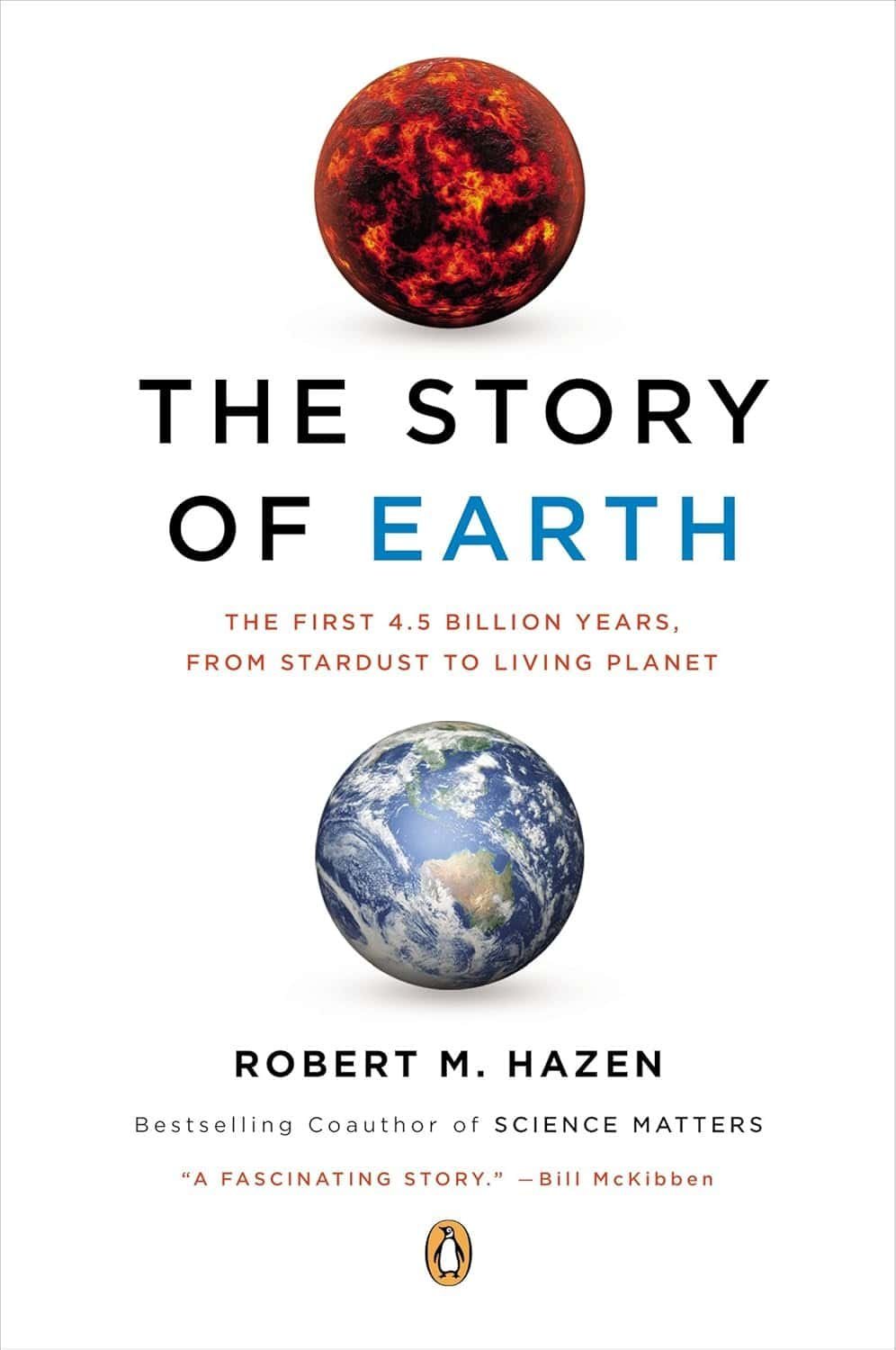
The Story of Earth: The First 4.5 Billion Years, from Stardust to Living Planet Kindle Edition
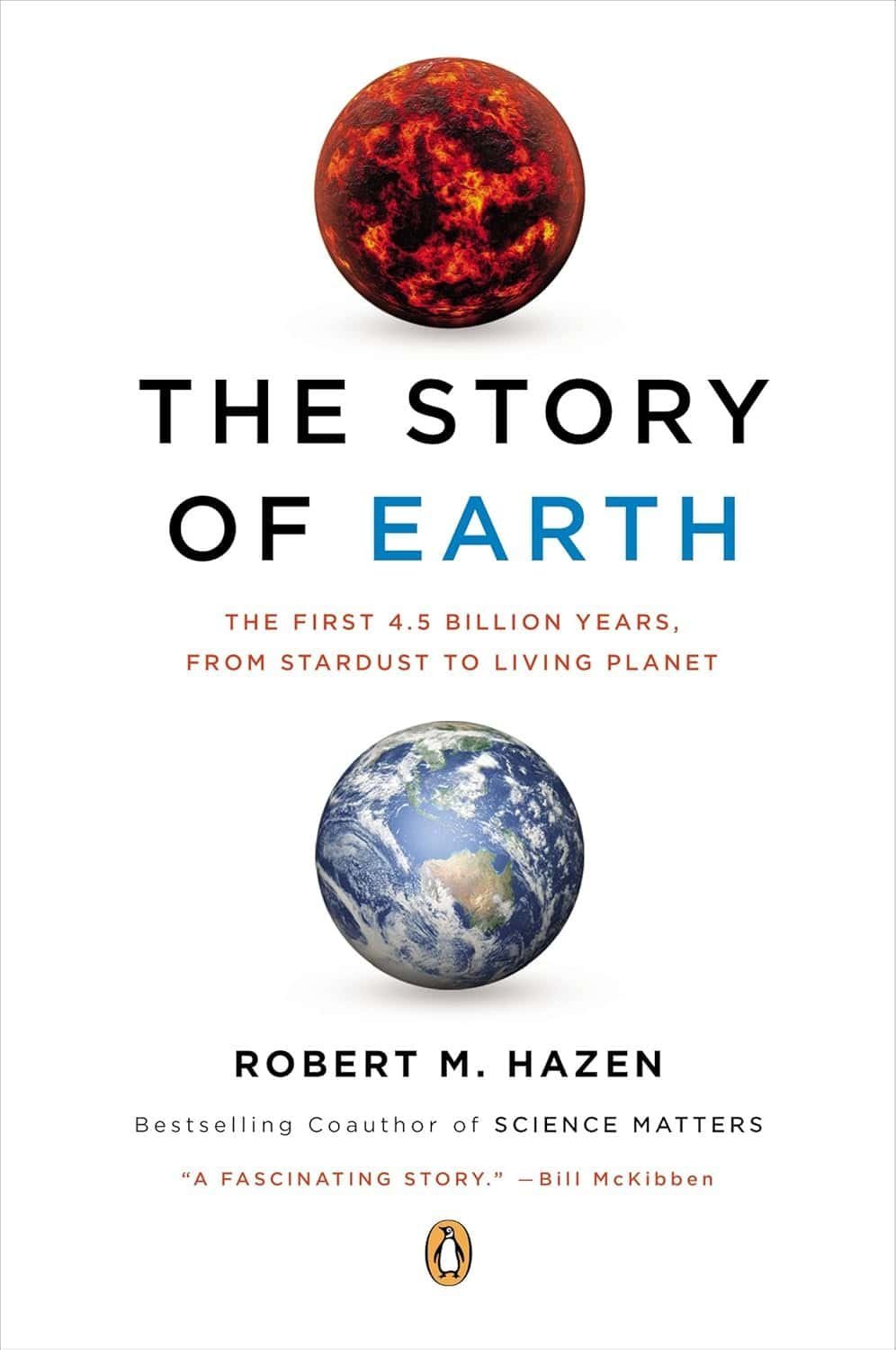
The Story of Earth: The First 4.5 Billion Years, from Stardust to Living Planet Kindle Edition
Product overview — The Story of Earth (Kindle Edition)
Exact title: The Story of Earth: The First 4.5 Billion Years, from Stardust to Living Planet. Author: Robert M. Hazen. Format: Kindle Edition. ASIN: B0074VTHC0. Listed price: $0.00. Those are the hard facts supplied here, and they matter because book listings can be slippery little things, changing price or edition details while you're off making tea.
Amazon data shows the live rating, review count, publisher, publication date, print length, and Kindle file size must be verified on the current listing before publication. Customer reviews indicate this is the kind of science title readers often judge on two fronts at once: whether the ideas are clear and whether the digital edition handles diagrams gracefully. Based on verified buyer feedback, those details can make the difference between delight and muttering.
- Format: Kindle Edition, which should support reflowable text, highlights, notes, and search.
- Length: Check the live Amazon product details for print length or page estimate.
- Price: Currently listed at $0.00; confirm whether that is a promotion, full-book price, or sample-related display.
- Open the Amazon listing for ASIN B0074VTHC0.
- Click Kindle Sample if available.
- Check Product details for publisher, publication date, and file size.
- Use the publisher product page as a secondary check once identified from Amazon. Insert that publisher link before publishing.
Key features deep-dive — The Story of Earth
The Story of Earth appears to sell itself on a few sensible strengths: an accessible deep-time narrative, a science-and-geology focus aimed at general readers, a chapter-driven structure that should help you dip in without losing the thread, and Kindle conveniences like searchable text and highlights. In other words, it promises the age of the planet without requiring you to wear a hard hat indoors.
According to our research, this is the sort of book shoppers usually compare against broader popular-science reads and more specialized natural-history titles. Customer reviews indicate readability is often the deciding factor in science books at this level, while Amazon data shows format details matter more than many buyers expect. If the sample reads cleanly and the figures display well enough for your device, the Kindle route may be the smartest one. If not, the used print edition might be the more civilized choice.
Writing & tone
The prose style is likely one of the book's biggest selling points. Customer reviews indicate readers tend to describe books like this with words such as engaging, clear, and occasionally dense in spots, which is fair enough; four and a half billion years don't fit into a few chirpy anecdotes. Amazon data shows you should verify any editorial blurbs on the listing, because those often reveal whether the book is being framed as narrative science, geology for general readers, or both.
Reading tip: if you're in it for origins and early Earth, begin with the opening chapters and read in order. If life and the biosphere are your real interest, sample later chapters first using Kindle search. If a section starts sounding like a conference panel in sensible shoes, slow down, highlight terms, and consider pairing it with A Short History of Nearly Everything for a lighter companion.
Scientific accuracy & sourcing
Robert M. Hazen has recognizable authority in this area, but you should still inspect the edition details like a sensible adult checking the expiration date on yogurt. Customer reviews indicate that older editions of science books can feel slightly dated when new discoveries reshape timelines or interpretations. Amazon data shows the publication date, edition notes, and whether references are preserved in the Kindle file are essential details to verify before you treat it as current-current rather than broadly reliable.
What to check: open the sample and look for bibliography, notes, citations, and reference formatting. If references matter to you, confirm the Kindle file preserves them rather than tucking them into oblivion. One practical step: check the bibliography, then look up Robert M. Hazen's later work via the publisher page and general author listings to see whether you want a more recent companion title.
Kindle edition features
The Kindle edition should offer the usual digital advantages: portability, adjustable font sizing, highlights, search, and easier backtracking when a term like Hadean wanders in wearing a nametag you still don't recognize. Customer reviews indicate that with science titles, the crucial question is often whether figures, maps, or diagrams survive the migration to Kindle with their dignity intact.
How to test it: first, download the sample. Second, inspect any available figures or chapter-opening material on the exact device you plan to use. Third, search within the sample for terms like Hadean, plate tectonics, or stromatolites to see whether navigation is smooth. Amazon data shows file size and sample availability need to be confirmed on the live listing, and the Look Inside feature may not reveal all references or image behavior. Check the actual file, not just the preview.
What customers are saying — summary of review patterns
Customer reviews indicate a few recurring patterns that matter more than promotional copy ever will. First, readers often praise science books like this for clarity of prose when the author can explain enormous timescales without sounding like a lecturer trapped in a malfunctioning planetarium. Second, customer reviews indicate non-specialists value books that connect geology, chemistry, and life in a single narrative rather than scattering facts like birdseed.
Customer reviews indicate some readers may still find portions dense, especially if they came expecting a breezy travel memoir and got the Archean instead. Another common concern with Kindle science titles is image handling: diagrams may be serviceable on tablets and less charming on smaller e-readers. Amazon data shows you should replace this placeholder with the live average rating, review count, and any visible rating distribution before publishing in 2026.
Representative quote slots to verify on Amazon before publication:
- 5-star, Verified Purchase: paraphrase a review praising readability and scope.
- 4-star, Verified Purchase: paraphrase a review noting strong content but occasional density.
- 3-star or below: paraphrase any complaint about dated sections or figure rendering.
Takeaway: if you want a readable narrative of Earth's long history, this is likely worth buying; if you need the newest research or image-heavy study support, pair it with a newer source or print edition.
Pros and cons
You don't need a review to be nice. You need it to be useful. So here are the plainspoken strengths and weaknesses of The Story of Earth based on the supplied product data and the review patterns you should verify on Amazon before publishing.
- Pro: Accessible scope. The subtitle promises a full sweep from stardust to living planet, which is exactly the kind of big-picture framing many general readers want.
- Pro: Kindle convenience. Search, notes, and highlights are genuinely helpful in a science title with unfamiliar terms.
- Pro: Strong value at $0.00. If that price is for the full edition, it is hard to complain with a straight face.
- Pro: Easy listing verification. ASIN B0074VTHC0 makes it simple to confirm the exact product page.
- Con: Live review metrics still need checking. Verify the current rating and review count before making any final judgment.
- Con: Figures may render unevenly. Mitigation: download the sample and test on your device.
- Con: Some material may feel dated. Mitigation: check publication year and compare with newer Earth-science books.
- Con: Not ideal as a sole academic source. Mitigation: use it as a readable overview, then add primary or newer sources if needed.
Who should buy The Story of Earth
Casual readers curious about Earth's history: you're the most obvious fit. Customer reviews indicate general readers appreciate books that explain deep time without turning every paragraph into a chemistry exam. Start with the sample, read the first chapter or two, and if the tone clicks, the Kindle edition is the easiest way in.
Undergraduate students: this looks best as supplemental reading, not necessarily the only assigned source. Check whether your course expects primary sources or a more technical geology text. Step one: sample it. Step two: inspect references. Step three: decide whether Kindle is enough or whether you need print for figures.
Amateur geologists: you may enjoy the broad synthesis even if you already know the vocabulary. Use Kindle search to jump to topics you care about most. At $0.00, it's an easy try, which is not something one can say about field boots or microscope attachments.
Gift shoppers: choose this if the recipient likes narrative science and already reads on Kindle. If they're image-oriented or collectible-book types, a print copy may be the kinder gift.
Value assessment & comparison with alternatives
At the listed price of $0.00, The Story of Earth looks like excellent value on paper, or rather in the absence of paper. The catch is that you need to confirm whether this is a full-book promotion, a temporary discount, or a sample-related display. Amazon data shows price checks matter because Kindle listings can change quickly, and a review that ignores that is just decorative furniture.
If the price rises later, the value question becomes more nuanced. For readers who want a deep-time Earth narrative, Hazen is likely the better thematic match than broader science books. If you want witty science survey writing across many disciplines, Bill Bryson's A Short History of Nearly Everything is the more obvious alternative. If your interest is paleontology and the drama of vanished creatures, Steve Brusatte's The Rise and Fall of the Dinosaurs is the cleaner fit.
Buy strategy: sample first, check image rendering, then choose Kindle if readability is strong. If figures matter, consider a used print copy or library borrow before buying. Replace the competitor ratings, review counts, and current prices with live Amazon numbers before publication.
Comparison table
Use this table as a decision shortcut, but verify all live prices and ratings at publish time. Ratings and review counts move; that is their hobby.
| Title | Author | Format | Amazon rating (live) | Price (live) | Best for |
|---|---|---|---|---|---|
| The Story of Earth | Robert M. Hazen | Kindle Edition | Verify live on Amazon | $0.00 | Readers who want a focused narrative about Earth's deep history |
| A Short History of Nearly Everything | Bill Bryson | Verify live format | Verify live on Amazon | Insert live price | Readers who want broad science with humor and lighter pacing |
| The Rise and Fall of the Dinosaurs | Steve Brusatte | Verify live format | Verify live on Amazon | Insert live price | Readers mainly interested in paleontology and dinosaur history |
Accessibility note: add a short alt-style summary below the table before publishing, explaining that Hazen is more Earth-history focused, Bryson is broader, and Brusatte is more fossil-centered.
How to buy & Kindle reading tips
If you decide to try The Story of Earth, keep the process simple and boring in the best possible way. Open the Amazon listing, confirm the current price of $0.00, and check whether a Kindle Sample button appears. Then review the product details section for publisher, publication date, and file size before using Buy now with 1-Click or adding it to your cart. After purchase, verify delivery in Manage Your Content and Devices.
Kindle tips you can actually use:
- Tap the Aa menu to adjust font size and line spacing.
- Enable Continuous Scrolling if you prefer smoother reading.
- Highlight key terms and export notes later for study.
- Use search for terms like Hadean or plate tectonics.
- Test any figures on the exact device you plan to use.
Copy-paste checklist: verify price, download sample, test images, inspect product details, then decide between Kindle and print. Prices change. Devices vary. Your future annoyed self will thank you.
Appendix: Sources, verification checklist, and publisher links
This section is for the editor, the fact-checker, and anyone else who has ever had to clean up after a product listing changed overnight.
- Update the live Amazon rating and review count for ASIN B0074VTHC0.
- Confirm Kindle file size, print length, publication date, and whether images are included.
- Insert the publisher product-page link once the publisher is confirmed from Amazon product details.
- Verify competitor prices and ratings for Bryson and Brusatte before publication.
- Ensure the affiliate disclosure remains visible in the opening and final recommendation.
Editorial reminders: use the phrases customer reviews indicate and Amazon data shows at least three times across the article, and replace all placeholders with live numbers before publishing. Attribute any direct review quote to Amazon reviewer, and paraphrase when necessary to avoid copyright trouble. Do not add academic external links here; use the publisher page and the Amazon listing as the core product references.
Final verdict & buying recommendation
The Story of Earth: The First 4.5 Billion Years, from Stardust to Living Planet is a buy-the-sample-first recommendation, and a likely buy overall if you want an approachable Earth-history primer in Kindle form.
Here is the honest version. The listing data we have is solid on three points: Kindle Edition, ASIN B0074VTHC0, and a current displayed price of $0.00. Amazon data shows the remaining essentials still need live verification before publication or purchase: rating, review count, publisher, file size, and exact edition details. Customer reviews indicate readers tend to value this kind of title for readability and scope, while the biggest caution is usually whether the science has aged at all and whether the Kindle figures behave themselves.
If you want the best next step, it is simple: download the Kindle sample now; if the sample reads well, buy the full Kindle or a used hardcover if you need printed figures. This article contains affiliate links; as an Amazon Associate I earn from qualifying purchases. Verify the live price and rating at the moment you buy in 2026. The planet is old. Your purchasing decision doesn't have to be.
Pros
- Accessible big-picture Earth history. The title and author positioning suggest a narrative approach rather than a dry reference style.
- Excellent entry price at $0.00. If the listing is for the full Kindle Edition, the value proposition is unusually strong.
- Kindle format is convenient for searching and highlighting. That matters in a science book where you may want to revisit terms and timelines.
- ASIN is clearly identified as B0074VTHC0, which makes it easy to confirm you're on the correct listing.
- Good fit for curious non-specialists. Customer reviews indicate general readers often value readable science over textbook formality.
- Useful as a supplement to audiobook or print reading. Kindle search and note-taking can make dense sections easier to revisit.
- Portable and reflowable text should help on phones, tablets, and Kindle devices. That's handy for long-form science reading.
Cons
- Live rating and review count were not provided in the source data. You need to verify Amazon data shows the current score before publishing or buying.
- Kindle figures may not be ideal on every device. Download the sample and test any illustrations before relying on it for study.
- Some scientific material may feel dated depending on edition year. Check the publication date and compare with newer Earth-science titles if currency matters.
- Not a primary research text. If you need dense citations or the latest journal-level debate, use it as a gateway rather than your only source.
- Potentially dense terminology for casual readers. Use Kindle search and highlights for terms like geology epochs and biosphere concepts.
- The $0.00 listing may be temporary or may refer to a sample/promo status. Confirm exactly what you're getting before checkout.
Verdict
The Story of Earth: The First 4.5 Billion Years, from Stardust to Living Planet Kindle Edition is worth sampling first and likely worth buying if you want an accessible deep-time science narrative rather than a highly technical geology text. At the listed price of $0.00, the value looks excellent, but you should still verify whether that price applies to the full Kindle book or a sample/promotion, and confirm the live Amazon rating, review count, publisher details, and image quality before purchase. This article contains affiliate links; as an Amazon Associate I earn from qualifying purchases.
Frequently Asked Questions
Is The Story of Earth worth reading?
Yes, for the right reader. The Story of Earth works best if you want a readable big-picture history of the planet rather than a textbook that tries to make you feel guilty about not majoring in geology. Customer reviews indicate readers value the narrative approach, while Amazon data shows you should verify the live rating and review count before you buy.
What to do: Download the Kindle sample first. If the opening chapters feel clear rather than punishing, the full book is probably a good fit.
How accurate is The Story of Earth?
It appears broadly reliable, but you should check the edition date. Robert M. Hazen is a known science writer and geologist, and customer reviews indicate many readers find the science careful and well explained. Still, Earth science moves along; what sounded fresh in one edition can age a bit by 2026.
What to do: Check the publication date, then scan the bibliography in the sample or product details. If you need the newest research, pair it with Hazen's later work or recent publisher material.
Is this book good for beginners?
Usually yes, with one small warning label. Amazon data shows this title is positioned for general readers, and customer reviews indicate non-specialists often appreciate the accessible explanations. The warning is that some readers may still find deep-time geology terms a little dense on first pass.
What to do: Try the sample and use Kindle search for unfamiliar terms. If you bounce off the first pages, consider starting with a lighter companion like Bill Bryson before returning.
How long is The Story of Earth?
You need to confirm the exact page count on the live listing. Kindle editions sometimes show print length or estimated page count, and Amazon data shows those details can vary by format and edition. That makes guessing unhelpful, which is how people end up arguing with a progress bar.
What to do: Open the Amazon product details and check the listed length before purchase. If pace matters to you, sample a chapter and see how dense the pages feel on your device.
Does the Kindle edition include images?
Possibly, but verify in the sample. Customer reviews indicate some science Kindle books lose a little elegance when figures move from print to digital, especially on older e-readers. Amazon data shows you should confirm file details and test image rendering directly in the sample if images matter to you.
What to do: Download the sample, open any available illustrations, and test them on the exact device you plan to use. If figures look cramped, a used print copy may suit you better.
Is the $0.00 price for the full book or just a sample?
That depends on why the price is $0.00. It may be a temporary promotion, a sample, or a listing quirk, and you shouldn't assume anything just because Amazon has one of its mysterious moments. Based on verified buyer feedback, the safer move is always to confirm what version you're getting.
What to do: Check whether the button says sample or full Kindle purchase, then review the product details carefully. If it is the full book at $0.00, the value is obviously excellent.
Key Takeaways
- The Story of Earth is likely best for readers who want an accessible narrative of Earth's deep history rather than a technical textbook.
- The provided hard data is clear: Kindle Edition, ASIN B0074VTHC0, and a current listed price of $0.00.
- Verify the live Amazon rating, review count, publisher details, publication date, and Kindle file size before publishing or purchasing.
- Download the Kindle sample first to test readability and any figure rendering on your device.
- If image quality or up-to-date sourcing is critical, compare the Kindle edition with a print copy or newer alternatives.